
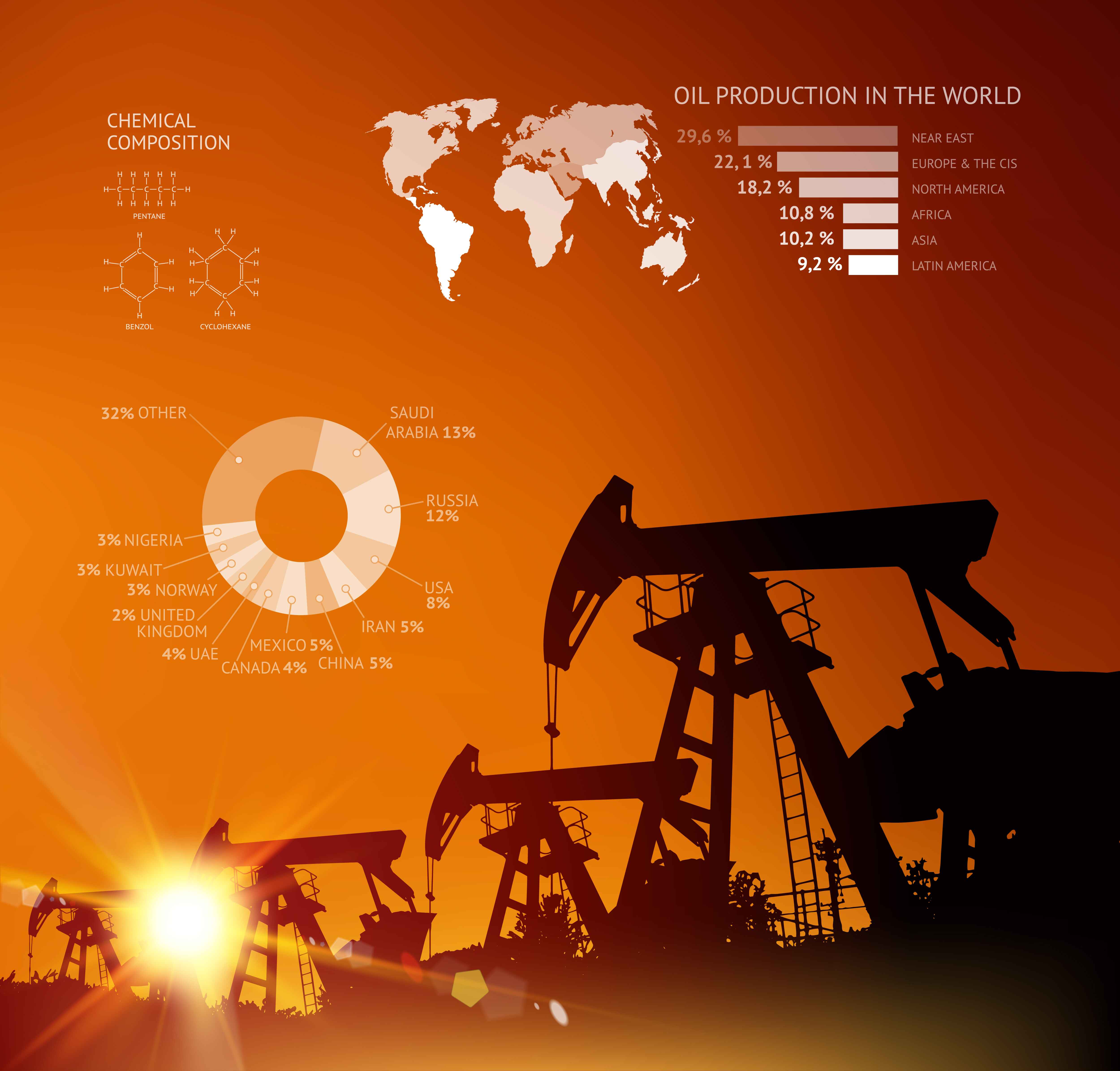
Introduction
Often called the “lifeblood of the global economy,” crude oil fuels cars, powers industries, and underpins countless products we use every day. Before exploring crude oil investment strategies, it’s important to understand what crude oil actually is and why it matters.
This article explains what crude oil is, how it fits into the world’s energy and financial systems, and why many investors still view it as a key asset class. Whether you’re new to commodities or curious about diversifying your portfolio, understanding the importance of crude oil for investors is a great place to start.
What Is Crude Oil? Definition and Benchmarks
Crude oil is a naturally occurring fossil fuel found in underground reservoirs. It forms over millions of years as the remains of plants and animals are buried under layers of sediment and subjected to intense heat and pressure. The result is a thick, flammable liquid composed mainly of hydrocarbons.
Not all crude oil is the same. The three main global benchmarks are:
-
Brent Crude: Extracted from the North Sea, Brent crude is the main benchmark for European and African markets. Low sulfur content makes it an ideal choice for refining into gasoline and diesel.
-
West Texas Intermediate (WTI): A lighter, sweeter crude primarily traded in the U.S., this variant is higher in quality and low in sulfur as well.
-
Dubai/Oman Crude: A medium-sour blend commonly used as a benchmark for Middle Eastern and Asian markets, the Dubai/Oman crude has a balanced quality and strategic regional relevance while trading.
Understanding these benchmarks helps investors gauge pricing trends, compare quality, and make informed investment decisions.
Factors Influencing Crude Prices
Crude oil prices fluctuate due to multiple global and market-driven influences:
-
Supply and Demand: Production levels versus consumption trends directly affect prices.
-
OPEC and Policy Decisions: Production cuts or increases by OPEC can shift market pricing.
-
Geopolitical Events: Conflicts, sanctions, or instability in oil-producing regions can create volatility.
-
Economic Indicators: Inflation, interest rates, and industrial activity influence energy demand.
-
Inventories and Storage: Levels of crude stockpiles and logistics can cause short-term price swings.
A clear grasp of these factors influencing crude prices helps investors make strategic decisions in both commodity and equity markets.
Why Crude Oil Matters Globally?
Energy Production
The use of crude oil has been a staple throughout generations for energy production, as it provides a feedstock for power generation in many developing economies. Oil thus remains the world’s largest energy source, fueling vehicles, aircraft, and ships. While the world is moving towards sustainable energy options, the process is ongoing and would require time.
Manufacturing and Petrochemicals
Crude oil is refined into not just gasoline and diesel, but also into materials used to make plastics, fertilizers, pharmaceuticals, and countless consumer goods. Globally, all the end products mentioned above have their individual market landscapes, bringing in profits for those already investing in them or planning to invest.
Transport and Logistics
Virtually every supply chain depends on oil. The cost of fuel directly affects the price of transporting goods, which in turn influences inflation and economic growth. Hence, investing in oil ultimately leads to investing in a business that is interconnected to the global economy and supply chain.
Crude Oil as a Financial Asset and Commodity
Crude oil isn’t only a physical commodity; it is also a major financial instrument traded in global markets. Investors can buy and sell oil in spot markets (for immediate delivery) or in futures markets (contracts to buy or sell at a later date). Oil futures are traded on major exchanges such as the New York Mercantile Exchange (NYMEX) and Intercontinental Exchange (ICE). Because oil prices are influenced by global supply, demand, and speculation, they’re an integral part of the commodity portfolios of hedge funds, institutional investors, and retail traders alike.
Why Crude Oil is Important to Investors?
-
Diversification: Oil prices often move differently from stocks and bonds, helping balance portfolio risk. Therefore, the importance of crude oil for investors is in diversifying one’s investment portfolio and strengthening one’s stronghold in the market
-
Inflation Hedge: When inflation increases, the cost of goods and transport increases, which inadvertently affects oil prices, acting as an inflation hedge in times of crisis.
-
Liquidity: Oil futures and ETFs are among the most actively traded commodities in the world, giving investors flexibility and access. Investors can enter and exit positions with ease, hence cutting down on transaction costs and making it a lucrative position for investors to deploy funds into oil and gas.
Ways to Approach Crude Oil Investment
Oil Company Stocks
Buying shares in producers, refiners, or service companies provides indirect exposure to oil prices while offering dividends and long-term growth potential. Rather than direct oil trading, investing in oil company stocks works as a wonder as it tends to be less volatile.
Commodity ETFs
Exchange-traded funds track crude oil prices or a basket of oil-related assets. They’re an easy entry point for beginners. Furthermore, they help investors to gain exposure without having to deal with future contracts or storage logistics. ETFs also offer flexibility and liquidity to adjust according to the global shift in prices.
Futures Contracts
For experienced investors, a deep understanding of the market trends and geopolitical influences is required since futures allow direct participation in price movements. However, they carry higher risk and require margin management. Improper timings can at times amplify losses.
Oil Mutual Funds and Index Funds
Often suitable for long-term investors seeking returns that are steady without having to actively manage individual assets, these funds diversify exposure across the energy sector, reducing the risk tied to any single company. Periodic rebalancing by professional fund managers is an integral part of oil mutual and index funds, and is another way to approach crude oil investment.
Direct Participation in Drilling Projects
For tangible involvement in the energy sector, investors can fund specific exploration or production ventures. These offer higher potential returns but come with high risk, complex tax rules, and limited liquidity. Thus, success depends on the viability of the project, the efficiency of operations, and the fluctuating conditions of the market.
Risks and Challenges in Crude Oil Investment
-
Market Volatility: Prices can swing sharply due to global supply-demand shifts or geopolitical events. Hence, the oil market is a crucial one to invest in.
-
Geopolitical Risks: Conflicts, sanctions, or OPEC policy changes can cause price spikes or crashes. As a result of the above changes, it is thus always advisable to invest after an in-depth study of the market.
-
Regulatory and ESG Pressures: Environmental policies and sustainability trends are reshaping long-term oil demand. Therefore, it is important for investors to assess how strict or lenient the carbon regulations and green transitions are as companies that can adapt to ESG standards better are more likely to sustain value amid the global energy shift.
-
Price Collapses: History has shown that investors who remain overexposed during extreme drops and downturns may face significant capital erosion, such as in 2008 and 2020, which can wipe out short-term gains.

The Future of Crude Oil in a Changing Energy Mix
Despite the global shift toward renewable energy, when crude oil storage trade oil remains crucial to the world economy. Here, the concept of crude oil storage trade explained helps investors appreciate supply chain management, market timing, and the strategic handling of inventory in energy markets. According to forecasts from OPEC and the International Energy Agency (IEA), the oil demand is expected to stay robust in emerging markets even as developed economies push for decarbonization.
For investors, this means crude oil will continue to play a central though evolving role. Balancing opportunities in oil with growing renewable energy exposure may offer a more sustainable long-term strategy.
Conclusion
Crude oil, thus, remains a cornerstone of the global economy and a vital component of many investment portfolios. Despite the energy transition, its importance in transportation, manufacturing, and global trade ensures continued demand and opportunity.
FAQs
Is crude oil still a good investment in 2025?
Yes, investing in crude oil is a good investment, but timing and strategy matter. Investing in oil remains profitable in certain market cycles, especially for investors who understand its volatility.
What’s the difference between investing in crude oil and investing in oil companies?
Investing directly in crude oil focuses on commodity prices and is typically more volatile as it is affected by global supply and demand shocks, while oil company stocks reflect management, efficiency, and diversification as oil companies can generate returns through operations, innovations, and dividends.
How does crude oil compare to gold as a hedge against inflation?
Both are considered inflation hedges, but they behave very differently. Gold is a traditional store of value—its price tends to hold steady or rise during periods of inflation because investors treat it as a safe haven. Crude oil, on the other hand, is tied directly to economic activity. Its prices move with shifts in supply, demand, and geopolitical risk. This means oil can offer greater upside during tight supply or high-demand environments, but it also carries more volatility. In short: gold preserves value; oil can amplify it, but with higher risk.
Can beginners easily invest in crude oil?
Yes. Beginners can start with ETFs, mutual funds, or oil company stocks before exploring futures or direct participation.