
Investing in oil and gas wells can be more of a marathon than a sprint. After the exploration and drilling process, many investors assume the process is nearing the finish line. In reality, substantial steps follow before production and revenue can begin. Understanding the direct oil investment process can help investors better set their expectations for the return timeline.
Unlike industries such as technology or manufacturing, oil well investment opportunities take time to ‘mature,’ since profits are only generated once the oil or gas is produced and sold. Because drilling and production are highly technical processes, supply can not be accelerated simply to meet demand in the market.
This article breaks down the major stages of the oil and gas development process. This is to help individuals investing in oil and gas wells measure progress and estimate returns.
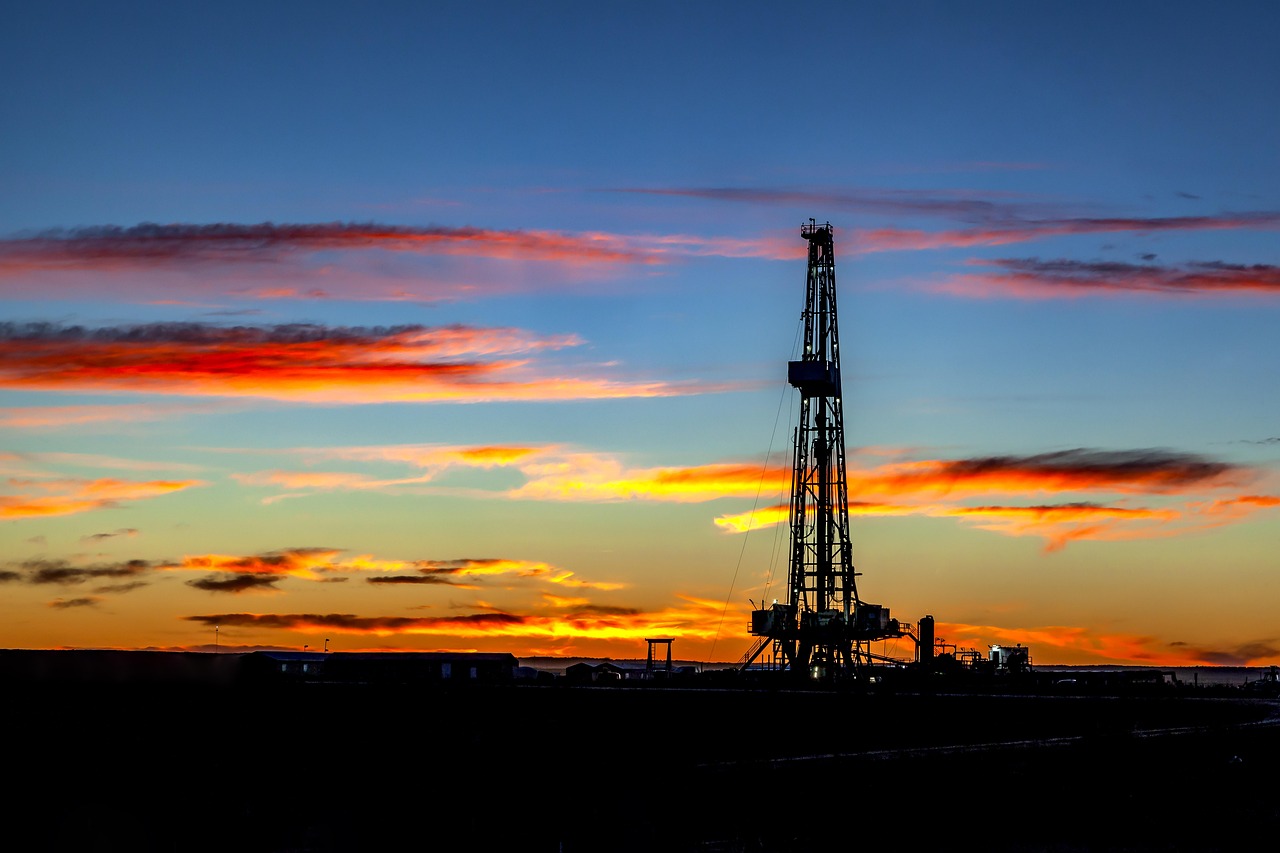
Stages To Know When Investing In Oil and Gas Wells
Understanding these stages is essential for anyone evaluating what to look for in oil well investment opportunities, especially when estimating timelines and potential returns.
Preparation of Well
When a new site or a new well in an existing site is selected for well drilling, the field is cleared, leveled, and studied. Even when a new well is sought to be drilled in an area of existing production, careful estimates are made to ensure the new well doesn’t reduce output from nearby wells.
Especially in new sites, this phase can also include environmental analysis and securing permits. The timeline for preparation can be at least four to eight weeks.
Drilling
Once the necessary permits and safety checks are secured, the drilling rig is constructed to begin the drilling process. The drilling timeline depends on the type and depth of the well, and can take a minimum of three to four weeks and up to a year in more complicated projects.
With development in technology, the efficiency of drilling has been increased, but that has led to longer laterals rather than shorter drilling times.
Hydraulic fracturing
After drilling, the well needs to be completed and prepared for production through hydraulic fracturing. This process involves high-pressure flushing with water and proppant to fracture the rocks and ensure permeability, i.e, make it easier for oil and gas to move into the well. This preparation and flushing can take around three weeks, depending on the length and depth of the well.
Flowback, Testing, and Monitoring
After the fracturing takes place, engineers test and monitor the well to assess flow rates, pressure, composition, etc., to ensure that the well is viable for production and estimate its potential.
This phase also includes cleaning up the wellbore through the flowback process, i.e, collection of the previously injected water, sand, or chemical that returns to the surface. Flowback, as well as testing, can take several months to be completed to optimize the process.
Facilities and Infrastructure Set Up
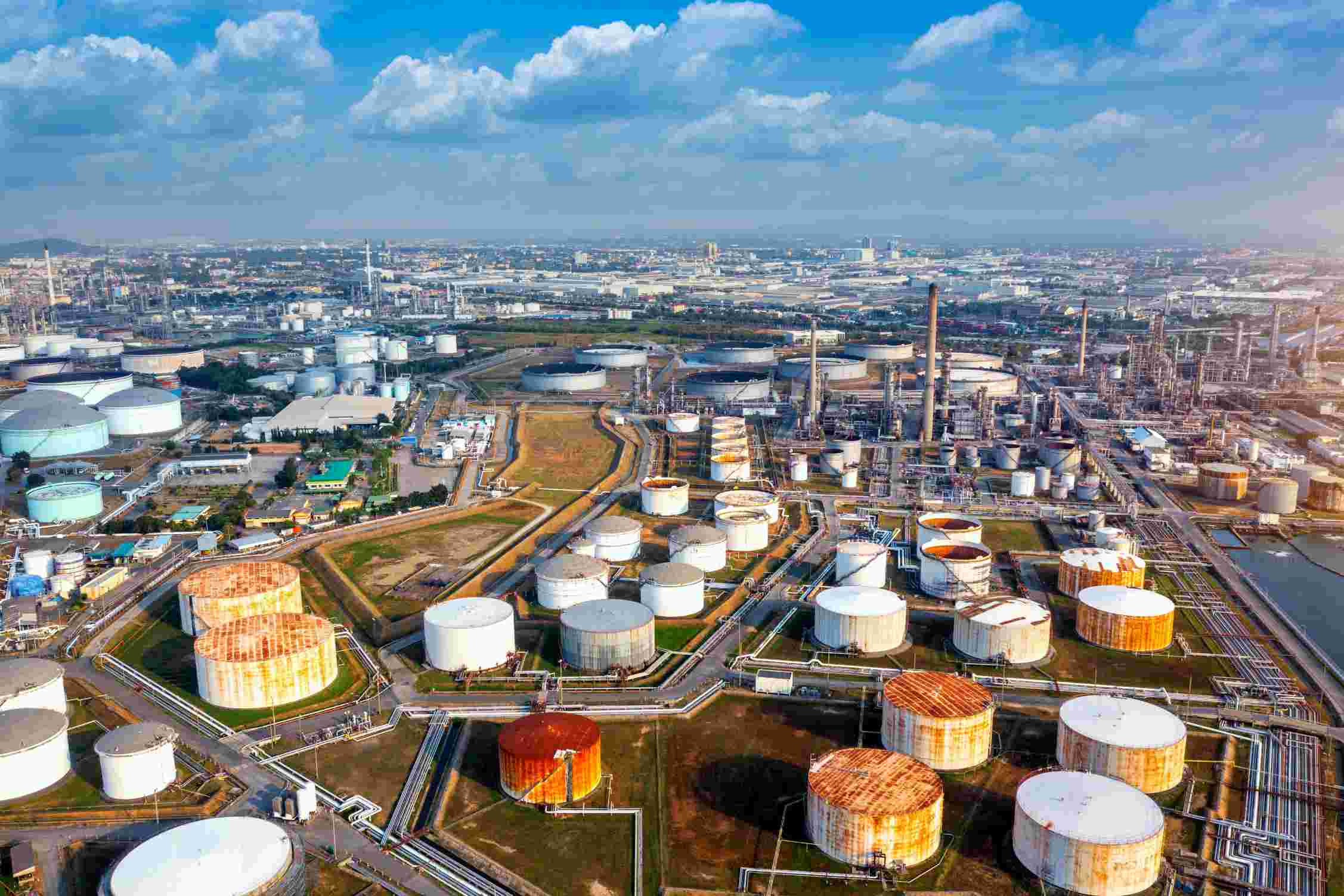
Once the well has been drilled, stimulated, cleaned, and tested, it is almost ready for production. The next step is installing facilities such as pipelines, separators, storers, and tanks to extract, store, measure, and transport oil and gas. Adding such tubing adds another week to the production timeline, which can again be followed by the flowback process discussed.
Production
This process completes the timeline, and the well is ready for active production. For those investing in oil wells, this is when revenue generation and return distribution begin.
Barriers to Production
Investing in oil and gas wells is a technical process that may run into several barriers that lead to delays or fluctuations in production. Some common barriers include:
Technical Lags
There may be lags in the process of drilling at different steps due to well-bore instability, pressure changes, and temperature fluctuations. These can impact the amount of production or the timeline of distribution.
Logistical challenges
Logistical challenges can include issues such as difficulties sourcing equipment, challenges in drilling due to land type, challenges in fracturing the rock, etc.
Market Factors
Changes in the supply and demand of oil and gas, as well as the availability of infrastructure needed in the process, can affect production. Geopolitical factors and delays in transportation may also disrupt the production pipeline.
Regulatory Delays
Oil and gas drilling companies may also face challenges in securing permits or changes in compliance guidelines. Environmental regulations, in particular, have been evolving, which can lead to extra considerations and a pause on drilling operations.
Conclusion
When investing in oil and gas wells, one must be patient to reap the benefits of the investment opportunities after drilling. The timeline from drilling to production can extend beyond a year, with multiple technical, logistical, and regulatory steps involved. While the process may feel slow, each stage is critical to ensure long-term viability of the well and a better return on investment.
Want to learn more about the production process and best investment practices? Check out Invest In Energy’s resources for investing in oil wells.
FAQs:
What is the timeline in oil and gas from drilling to production?
The timeline for oil and gas production can differ based on project location and logistics, and the entire process can take at least a year to be completed. It involves multiple steps, including preparation, drilling, stimulation, tubing, and flowback.
How long does it take to set up an oil well?
Preparing an oil well for drilling can take from four to eight weeks, while drilling itself can take several months to a year. This is followed by flushing, flowback, monitoring, and setup of tubing.
What is the timeline for offshore oil and gas projects?
Offshore oil and gas projects are significantly more costly, complex, and time-intensive. Drilling alone can take up to a year to complete in offshore projects.
What are some barriers to oil and gas production?
Common barriers in oil and gas production include technical hurdles such as well-bore instability, pressure changes, and temperature fluctuations; market changes; and regulatory delays.