
Introduction
Oil and gas play a key role in the global economy, driving international commerce and powering daily activities. While renewable energy gains momentum, oil and gas investments continue to attract interest due to the industry’s size, impact, and profit potential. Since oil and gas make up a big chunk of worldwide energy consumption, grasping this market is crucial for any serious investor.
Despite frequent price fluctuations and uncertainties tied to politics and regulation, many people still see benefits of investing in oil and gas. The industry’s inherent cycles create chances to make money if investors know how to invest in oil and gas and handle the risks that come with it.
To invest well in oil and gas, you need to strike a balance between grabbing opportunities and reducing challenges. Expert knowledge, tried-and-true methods, and a thorough grasp of market trends can help investors find their way through this complex but rewarding field. A clear assessment of geology, operator reputation, and development plans is essential for mitigating risks in oil well investments before any capital is committed.
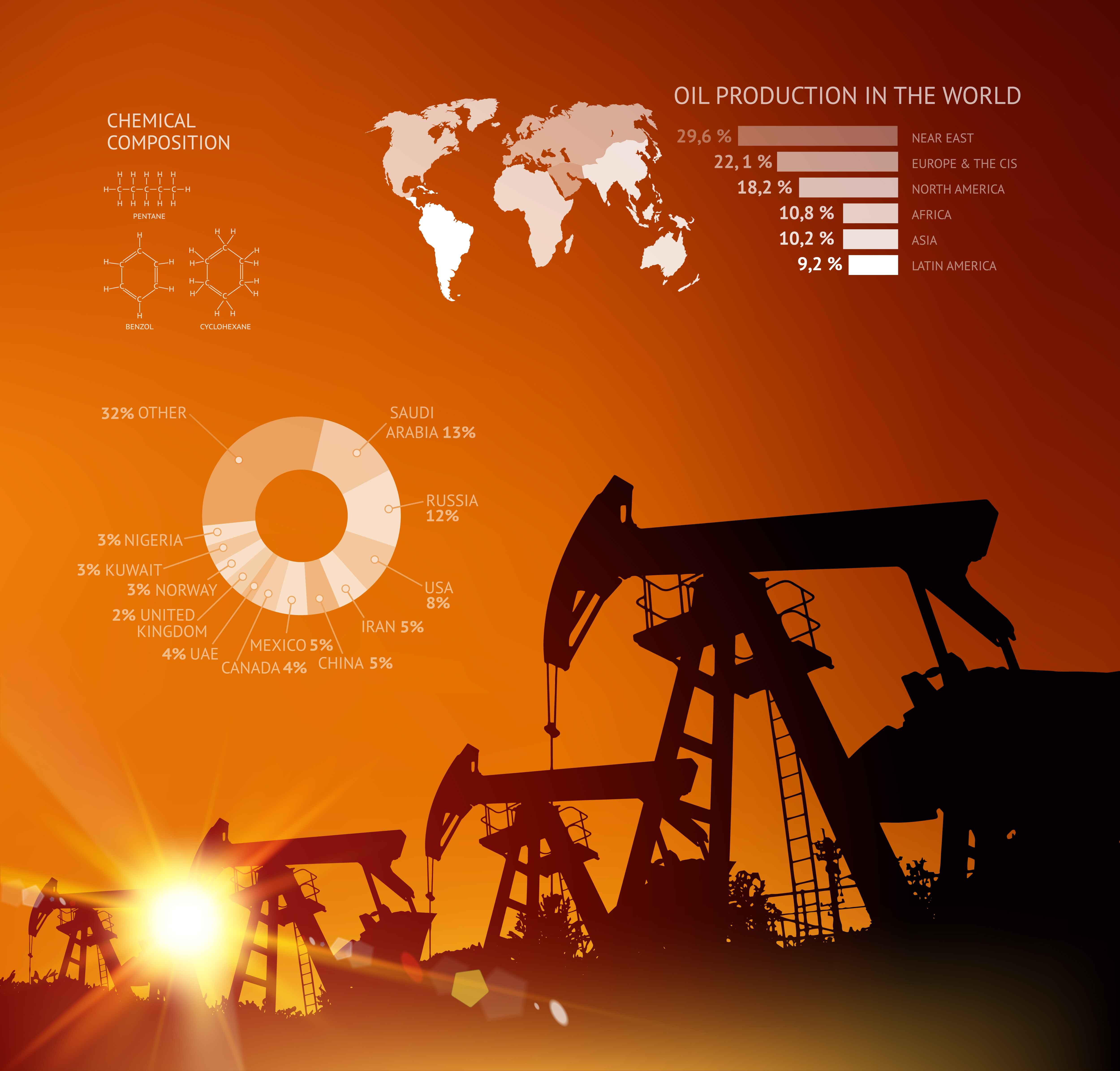
Understanding Oil and Gas Investment Options
When it comes to oil and gas investments, it can be categorized into two main types: direct and indirect investments. Each of these types has its own advantages, disadvantages, and levels of involvement.
Direct investments require an investor to provide capital directly to a project or asset associated with oil and gas investing. For many investors, direct investments are often risky and require additional costs. Direct investments usually only are reasonable for either high net worth individuals or institutional investors, due to the costly nature of each direct investment prospect and the degree of risk in each investment.
Indirect investments, on the other hand, allow investors to gain exposure to the energy correlated sector without providing an actual ownership in a physical oil well or gas production facility. They are typically more straightforward, flexible, and diversified, making them more convenient to a broader range of investors.
To make a sound investment decision regarding oil and gas, the prospective investor must understand the difference between these types of investment opportunities, as each will dictate how the investor will ultimately engage with oil and gas, based on their risk tolerance, amount of capital and the investment horizon.
Direct Investments
|
Examples |
Benefits |
Risks and Challenges |
|
• Ownership in oil wells: Buying a working interest or mineral rights gives investors a share of production revenue but also makes them responsible for costs. |
• Potential for very high returns if production is successful. |
• Illiquid and difficult to exit quickly. |
Indirect Investments
|
Examples |
Benefits |
Risks and Challenges |
|
• Public stocks of oil and gas companies: Buying shares in companies like ExxonMobil or BP provides exposure to the industry’s growth and dividends. |
• Easier access for everyday investors with smaller budgets. |
• Subject to market volatility tied to global oil prices. |
The Basics of Oil and Gas Investing
Oil and gas investing is essentially about the industry’s value chain: the process of discovering, producing, transporting, and refining energy for consumption. The value chain includes three general sub-sectors:
-
Upstream includes exploration and drilling to find reserves;
-
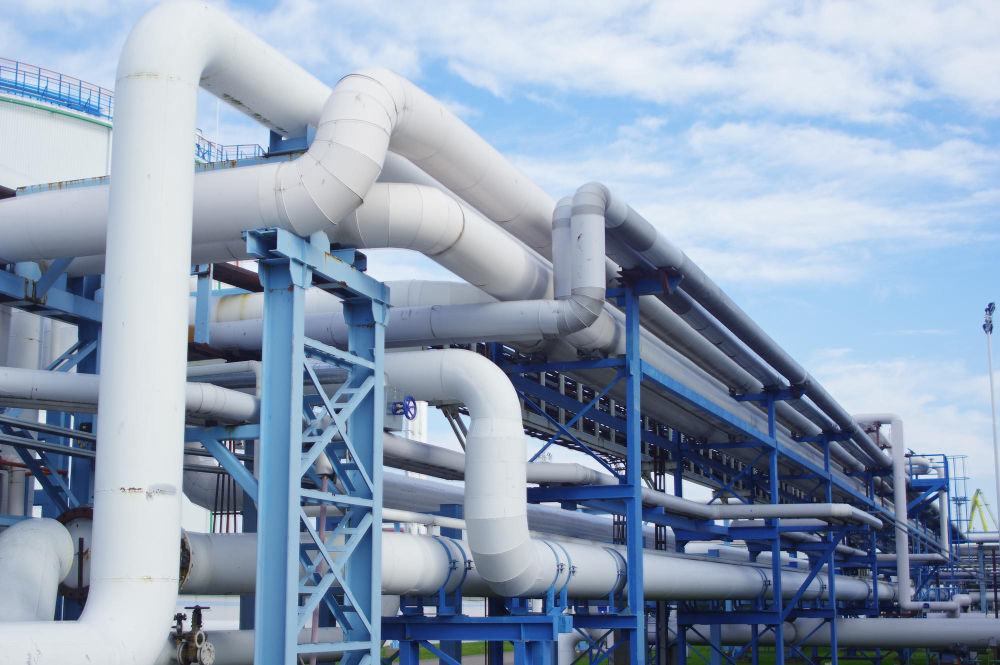
Midstream includes pipelines, storage, and transport to move crude oil and natural gas; and
-
Downstream includes refining raw materials into finished products such as gasoline, jet fuel, heating oil, and petrochemicals to be consumed by end users.
Another major consideration for investors, and the drilling industry as a whole, is the difference between onshore and offshore drilling. Onshore operations tend to be less expensive, and easier to control, while offshore drilling, while less certain and capital intensive, typically has far larger reserves. Another major subsector is oilfield services, which incorporate companies that provide rigs, seismic data, and unique technical expertise required to keep production.
The need for cleaner energy sources has naturally led to a more prominent interest in natural gas investments, as natural gas investments can provide low-cost growth as a “bridge fuel” to renewable sources of energy.
Other dynamic aspects of oil and gas investments include global price volatility, government policies, technological innovations like hydraulic fracturing and deepwater drilling, and the growing influence of environmental, social and governance (ESG) considerations. For anyone new to investing in oil and gas, understanding these variables in the value chain is essential for spotting opportunities and assessing risks.
What Affects Oil and Gas Prices
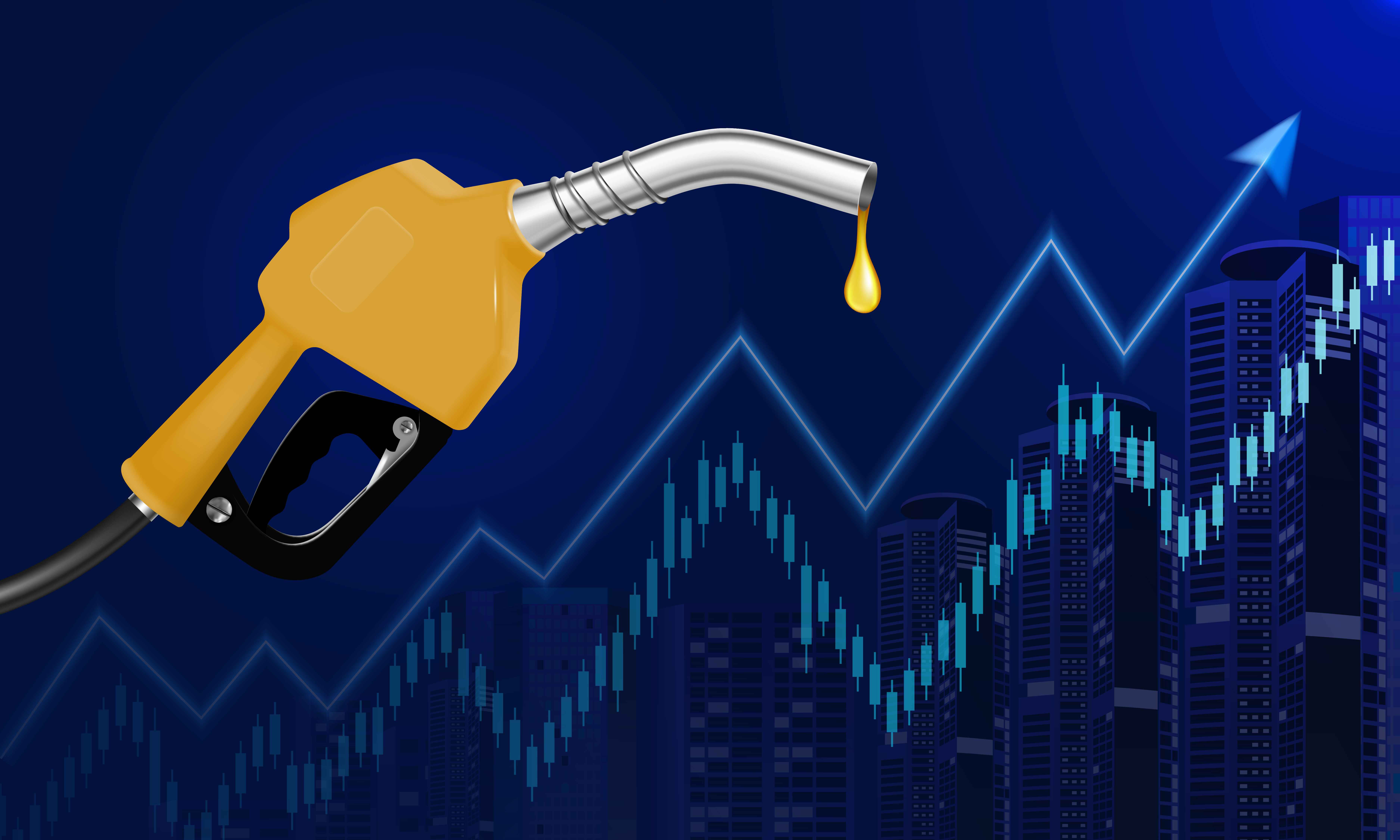
Anyone looking into oil and gas investments needs to know what affects prices. Oil and gas markets react to a mix of global economic, and environmental elements. These forces have a direct effect on how profitable oil and gas investments are and shape how investors plan their moves.
Supply and Demand Balance
The relationship between global production and consumption remains the biggest factor in price changes. New methods like fracking and the shale boom in the U.S. have boosted supply, while demand continues to grow in developing countries and keeps pushing consumption up. When there’s more supply than demand, prices drop; when demand is higher than supply, prices go up.
World Politics
Oil and gas are linked to international relations. Conflicts in resource-rich regions, trade restrictions, and OPEC’s choices about production can tighten or flood markets causing prices to change a lot. Political unrest often leads to supply problems creating doubt and more ups and downs for investors.
Economic Health
The overall state of the economy also affects prices. Times of strong GDP growth and industrial expansion increase the need for energy pushing prices higher. On the flip side, recessions or worldwide slowdowns reduce use. Changes in currency values in the U.S. dollar (which is used to trade oil), can also influence global oil and gas prices.
Weather & Climate Issues
Severe weather events such as hurricanes in the Gulf of Mexico can disrupt offshore drilling and refining, leading to a spiking rate surge. The balance of oil and gas consumption globally from extreme pricing of natural gas can also be a consequence of harsh winter seasons or extreme pricing of oil driven from severe summer change. Longer-term climate impacts do play a role of defining the equilibrium of supply and demand sustainability.
The oil and gas industry has external factors like political climate and economic pressures to balance out the costs of production and gas. Factors like the investor’s point of view, economic surplus, and demand falling out of balance predict the likelihood of the changes, making oil and gas investing much more prudent.
Benefits of Investing in Oil and Gas
Oil and gas remain central to global power and wealth creation, even in this world increasingly focused on sustainable energy options. Oil and Gas investing provides unique space for income generation and tax benefits, as well as appreciation in value in the long term.
Steady Cash Flow
One of the primary benefits of oil and gas investing is the potential for steady cash flow. Investors can receive income from dividends from publicly traded oil and gas companies or receive a share of revenue from production in direct investments such as working interests or partnerships. With consistent profit flow from these returns, oil and gas investments can be very attractive in a volatile market where other, more traditional equities might be underperforming.
Tax Incentives
Investors in oil and gas have access to tax incentives that significantly enhance returns. Intangible drilling costs (IDCs) which are expenses for labor, materials, supplies, and other non-recoverable costs associated with drilling, are generally fully deductible in the year they are put to use in business. There are other incentives for the investor that include depletion allowances and small producer exemptions to significantly lower all investors’ taxable income. Oil and gas investments are well suited for high net worth investors who are looking for tax-efficient investments.
Hedge Against Inflation
Energy prices tend to rise with inflation, which makes oil and gas a good hedge against inflation. When costs for fuel, electricity, and industrial energy rise, it is expected the value of oil and gas assets will also rise, preserving purchasing power for investors. Oil and gas investing helps ensure that diversified portfolios are built to last, especially in times of economic uncertainty.
Portfolio Diversification
Oil and gas investments have behaved in a fashion different from stock markets or real estate in that their prices became independent. Investors often spread capital across upstream, midstream, and downstream assets to diversify oil and gas portfolio exposure and reduce reliance on a single revenue stream. There is an added advantage of reducing overall investment risk by introducing oil and gas assets in your portfolio. This is because the oil and gas sectors tend to be affected by such factors: geopolitics, supply-demand, energy policy, etc. which very rarely correlate with the market trend. This ability limits return fluctuations and enhances financial stability over time.
Long-Term Growth Potential
While there may still be deliberations surrounding commercial oil and gas markets, energy demand continues to see an upward trend at the global level, especially in developing economies. If they invest strategically in oil and gas, investors will get to enjoy the benefits of investing in oil and gas to capitalize on trends in consumption, technological advancements, and untapped reserves.
The oil and gas sector enjoys an extremely special combination of income, tax incentive, and growth prospects that will attract both conservative and aggressive investors.
Risks to Consider in Oil and Gas Investing
Oil and gas investing has the potential for profit, but the investor also needs to be aware of the distinct challenges. Finding out what the risks are useful to be aware of, in order to make informed and smart oil and gas investments.
Commodity Price Volatility
Oil and gas prices are highly volatile primarily due to changes in global supply based on speculation, uncertainty about demand, and market speculation. The volatility of the underlying commodity price can impact the profitability of the direct or indirect oil and gas investment.
Geopolitical risks
Political instability in oil-producing regions, international sanctions, and international trade disputes can lead to disruption of production and lead to uncertainty in the global energy markets for the investor.
Regulatory risks
Increased environmental regulation, tax policy, and changing climate change related restrictions are just a few of the factors that could impact either the operational cost structure or reduce returns on investment.
Technological risks and disruptions
Improvement in renewable generation capacity and battery storage technology along with improvements in efficiencies could result in decreased demand for fossil fuels in the long-term and into the future.
As such, understanding these risks is an important part of managing a cautious approach alongside potential upside to allow you to make informed decisions in today’s constantly changing oil and gas investment world.
Opportunities in the Sector
Oil and gas investments clearly come with risk, but it also has significant opportunities, particularly for investors looking to build wealth over the long run.
Technological advancements
New technologies such as fracking (recovering oil and gas from shale), seismic imaging (detecting oil beneath the ground), and improved oil recovery allow energy to be produced more easily and at a lower cost. Digital oilfields apply data and automation to drive efficiency, which can enhance returns for investors.
Emerging markets
As countries in Asia, Africa, and Latin America develop, they consume more energy. This translates to increased demand for oil and gas, offering opportunities for investors to profit from increasing consumption.
Diversification into renewables
Various oil and gas companies have investments in solar, wind, biofuels, and carbon capture. This provides investors with choices to gain exposure to the traditional and clean energy side.
Natural gas as a transition fuel
Alternatively, burning natural gas produces less pollution than coal and oil, and the footprint of its use is growing all across the globe. Drawing capital into LNG (liquefied natural gas) and CNG (compressed natural gas) provides openings in a fuel that supports the shift to clean and green energy.
Infrastructure development
Construction and maintenance of pipelines, refineries, export terminals, and intelligent energy technologies represent reliable business opportunities particularly within the midstream and downstream parts of the business. An investor can take advantage of these projects even if they do not own oil wells.
By knowing these opportunities, even a beginner can comprehend that oil and gas investing has growth and income potential and is a chance to participate in the energy transition.
Tax Implications and Incentives
Oil and gas investing can provide unique tax advantages which can reduce your taxation and therefore increase your investment profit.
Intangible Drilling Cost (IDC) Deductions
When drilling a well, there will be many costs such as paying workers, fuel and supplies. Many of these costs can often be deducted from your taxable income (sometimes up to 100%, but reviewed on a case-by-case basis), allowing you to pay less tax in the year you invest.
Depletion Allowances
Oil and gas are natural resources. The government allows an investor to deduct a portion of the value of oil or gas they are removing from the ground thus reducing taxes on the money you have made from selling.
Tax Credits for Cleaner or Unconventional Projects
Some projects, like shale gas drilling or new environmentally friendly energy technologies can all provide tax credits (or deductions) reducing your taxes even further.
Changing Policies
Tax benefits can change over time. New government policies, laws, or energy practice may reduce or eliminate incentives for fossil fuels, so it’s important to stay updated.
This just goes to show that tax benefits make oil and gas investing more appealing by allowing investors to keep more of the money they make.
Practical Tips for Investors
For investors who are new to oil and gas investment, it is possible to tame the ride and realize success by doing a few relatively simple things:
-
Learn the Basics of the Industry: Learn how the oil and gas value chain works from well finding and drilling through transportation to refining energy, and what drives the market prices.
-
Choose an Investment Type that Fits You: Direct investment is riskier but the potential returns are greater, while indirect options like stock or ETF are safer and less risky, you need to pick a risk level that you can tolerate and invest that way.
-
Diversify: Think about diversifying your money over several wells, companies and asset types to limit your risk.
-
Due Diligence: If you are doing a direct investment, make sure to research the past record and current reputation of the people running the projects. Strong due-diligence practices also enhance fraud awareness in oil investing, helping investors identify misleading claims or high-pressure offerings.
-
Stay updated with Global Changes: Oil and gas markets move with energy policies, geopolitics and socio-economic trends. By staying updated, you are more informed to make a decision.
-
Think Long-Term: It is a cyclical business, and while there are peaks and valleys, patience and thinking in the long-term is the key to realizing the maximum returns.
Any investor will be able to do the above, and with diligence and persistence, even inexperienced investors can negotiate the nuances of investing in a commodity market.
Conclusion: Is Oil and Gas Right for You?
Oil and gas investing provides opportunities for income, diversification in portfolios, and playing an important role in the global economy, but it is uncertain and volatile. It is best built for risk oriented investors that will take their time and stay informed in regards to market conditions and policy. Energy at times in the future will most likely fall into a mixture of oil, gas, and multiple renewable fuels. Flexibility is very important. There is an attainable successful method in this industry that is simply thinking on how to invest in oil and gas, performing research, adapting to technology, regulations, and change in demand globally and regionally.
Frequently Asked Questions
Is oil and gas a good long-term investment?
Oil and gas have a better long-term outlook as a long-term investment due to the consistent global energy consumption and the capacity for outsized returns. An oil and gas investment can achieve diversification through investing across wells, companies and asset-type. But an investor can reduce the risk of direct investment, more examples of indirect investments would be an ETF, or buying shares in a company, or sector (i.e. energy stocks).
Difference between oil company stocks and oil futures contracts?
Oil company stocks are claims of ownership in a company with returns from dividends and price appreciation. Oil futures contracts are contracts to buy or sell oil in the future, mainly used for speculation or hedging. Stocks offer potential long-term growth with lower risk in the short term and price. The future contract offers no growth potential and carries higher risk as it is a short-term contract subject directly to market price fluctuations caused by changes in supply and demand for oil.
How do environmental regulations impact investments?
Environmental regulations can increase costs and may limit exploration or production in sensitive areas. Environmental regulations may include emissions restrictions, regulations pertaining to the type of drilling methods or fuels which could directly limit a project’s profitability. On the other hand, compliance with environmental regulations may lead to new opportunities in cleaner technologies or diversification into sustainable fuels. Investors should keep themselves informed of the regulations as changes in regulations will affect direct and indirect investments in oil and gas.
Are there ethical concerns with oil and gas investing?
Yes, these ethical issues cover environmental contamination, release of greenhouse gases, contribution to climate change, and possible injury to host communities. Other investors steer clear of outright fossil fuel ventures and aim at firms investing in cleaner energy sources. Ethical investment approaches can be ESG-oriented funds or renewable alternatives to balance profitability and social and environmental responsibility.
What alternative energy sources could affect oil and gas demand?
Solar and wind power, biofuels, and developments in battery storage are cutting fossil fuel dependence. Electric cars and efficiency gains also cut oil and gas usage in the long term. While traditional energy will still be needed for decades to come, growth in alternative sources can, in the long term, cut market share, thereby influencing prices, returns, and planning strategy in the oil and gas sector.