
Introduction
Diversification is one of the most important strategies for protecting and growing wealth. It helps investors balance risk and maximize long-term returns.Traditionally, investments in stocks, bonds, and real estate have been the core of most portfolios. But adding oil and gas investing introduces unique benefits of investing in oil and gas. This guide also answers a common question for first-time investors: is oil a good investment in today’s energy landscape?
Oil and gas investing yields strong potential for returns, tax benefits, and inflation protection from rising prices. For those learning how to invest in oil and gas, the advantages of investing in oil and gas make it an effective means to diversify your portfolio with oil and gas to ensure resilience and long-term growth.
H2: Why Diversification Matters
Diversification means not investing all your money in one type of investment. Just like a balanced diet is healthier with many different types of food, a balanced portfolio works best when spread across different assets. Stocks and bonds tend to rise and decline with the economy, but other assets may move differently and help smooth out those swings. Energy-related opportunities such as oil and gas investments provide this balance. They don’t replace traditional holdings but oil and gas investing complement your portfolio, reducing risk and helping preserve value during uncertain markets.
Benefits of Investing in Oil and Gas
Diversifying your investments work best when each asset brings something different to the table. Besides stocks and bonds, oil and gas investing adds several advantages that can boost returns, cut down on risk, and keep your wealth safe. These benefits help investors evaluate oil and gas strategies and risks more clearly before committing capital. Below are the key benefits of investing in oil and gas that strengthen portfolio diversification:
Steady Cash Flow
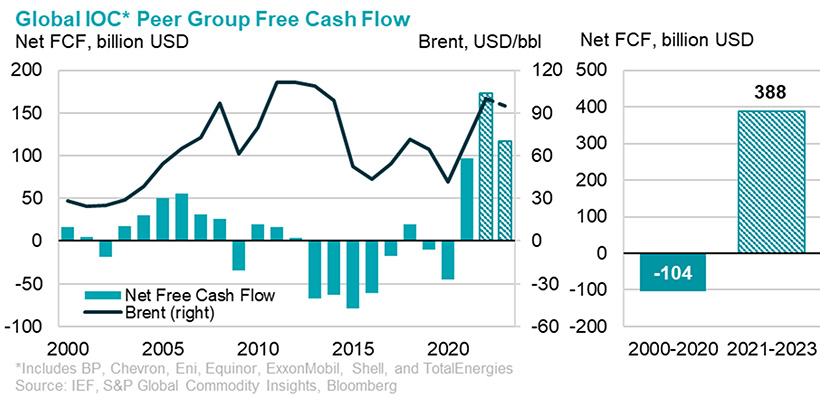
Most traditional investment options may only pay off over time.Oil and gas investments often provide profit every month or quarterly. This gives steady income and brings stability to a diversified portfolio.
Tax Benefits
A special benefit of investing in oil and gas is access to tax credits like intangible drilling expenditures and depletion allowances.These write-offs mean you pay less in taxes, which helps your investments grow faster.
Hedge Against Inflation
Energy prices typically rise with inflation as it becomes part of most goods and services. Understanding how to invest in oil and gas helps protect purchasing power and protecting wealth for the individual when other traditional investments may devalue.
Low Correlation with Stocks and Bonds
Oil and gas investments often move independently from stock and bond markets. This low correlation smoothes portfolio performance and decreases overall exposure to market fluctuations.
Tangible Asset Backing
Many oil and gas investments are not just solely financial instruments. They are attached to real physical resources such as crude oil reserves and natural gas fields. This physical asset support provides security and makes oil and gas investing a stable addition to other volatile assets
How to Invest in Oil and Gas
There are several ways for you to start oil and gas investing, from owning wells yourself to choosing more accessible market options. What works best for you depends on how much risk you’re okay with, what you know about investing, and your long-term plans.
|
Investment Method |
Description |
Best For |
Considerations |
|
Direct Ownership of Wells |
Investors buy a working interest in their own oil and gas wells, and share in the production revenue. |
Accredited investors seeking higher returns and more involvement. |
High risk, high reward; need capital and willingness to accept operational risks. |
|
Partnerships (Exploration Companies or Broker-Dealers) |
Investors can join in drilling projects directly through a partnership or private placement. |
Investors seeking tax benefits and to get exposure to oil and gas investments without direct ownership. |
Limited liquidity; complicated structures and must do their due diligence on operators. |
|
Energy Stocks, ETFs, or Mutual Funds |
Investors can invest indirectly by purchasing shares in oil and gas companies or an energy ETF or mutual fund. |
Any investor including beginners. |
Easier entry and lower risk; downside is indirect exposure and generally there are no tax benefits associated with oil and gas investments. |
Investing in Oil Wells: A Closer Look
For those seeking a more hands-on approach, investing directly in oil wells is a different way to oil and gas investing. Instead of a more general market, this method creates a direct outcome based on actual energy production.
Multiple Well Portfolios to Reduce Risk
Investors will often join with other partners and invest in a multiple-well portfolio instead of just a single site. With more oil wells in a portfolio, exposure is diversified, limiting the impact to the overall portfolio if one site underperforms.
Possibility of Consistent Cash Flow from Producing Wells
Whether monthly or quarterly, producing wells can create a consistent income for the investor. This serves as a cash flow source that can help respond to economic changes not limited to traditional investments.
Long Term Value Tied to Proven Drilling Areas
In proven production areas, oil and gas investments typically will have longer value as reserves have been established to provide more predictability for production and stability.
Taken together, these opportunities show how the benefits of investing in oil and gas enhance diversification, providing both income potential and long-term value within an investor’s broader portfolio.
Oil and Gas Investments as a Portfolio Hedge
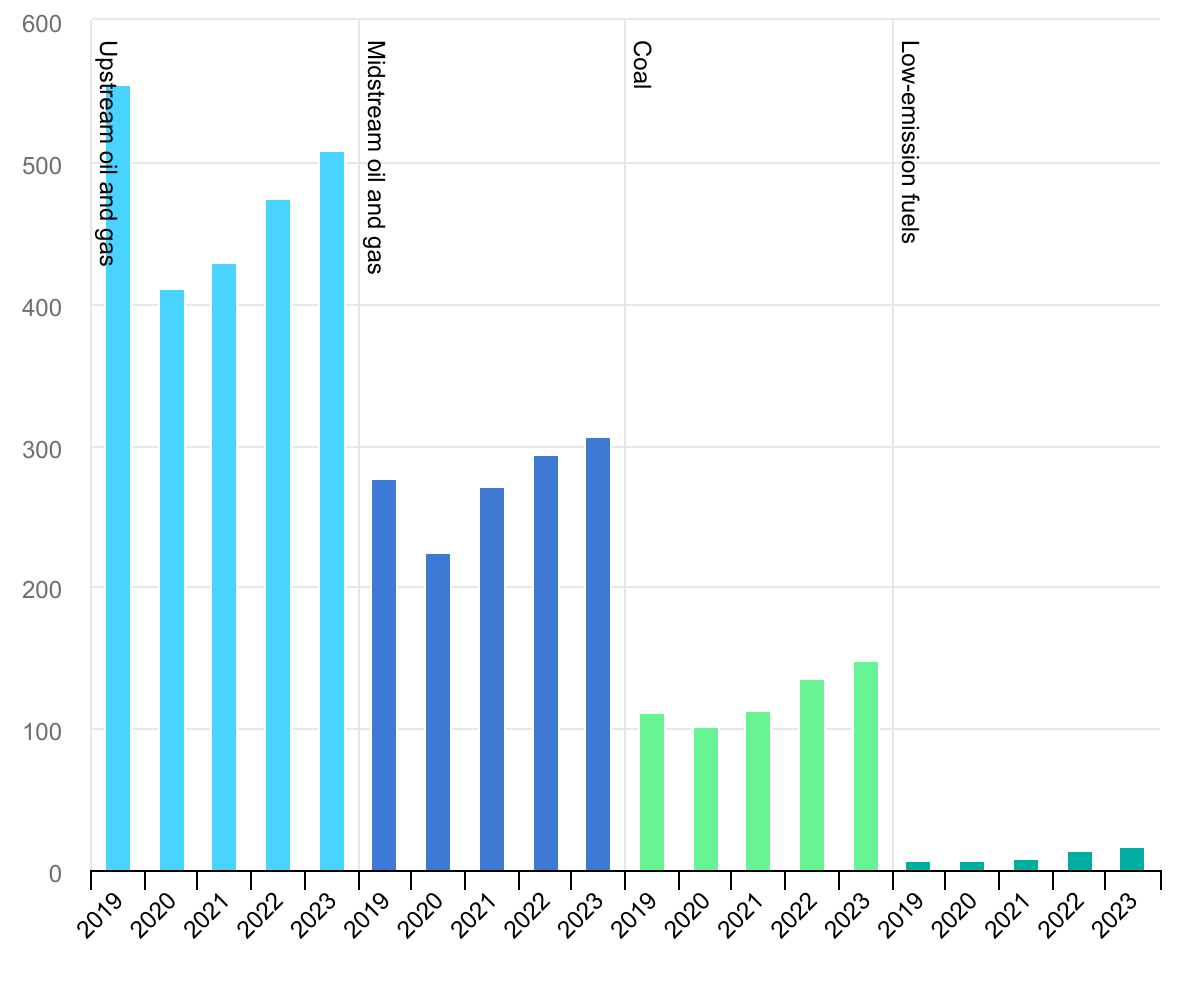
Oil and gas investments often perform independently from traditional assets like stocks, bonds, and real estate. The value in oil and gas investments are correlated with global demand rather than equity cycles, so they can provide a hedge during inflationary conditions or as the economy slows. Since energy prices tend to rise with the cost of living, if an investor is in trouble with losing purchasing power with their non-energy holdings, oil and gas holdings may add to wealth preservation because along with uniform leverage, they provide offset for loss of buying power. Oil and gas investing is part of a diversified process; once you learn how to invest in oil and gas, they can become a stabilizing asset that reduces volatility and supports long-term portfolio viability. This creates a unique comparison in oil vs. renewable energy investment discussions, as both play different roles in hedging and sustainability strategies.
Conclusion
Diversification is key to creating a strong portfolio, and oil and gas investing has distinctive advantages that traditional assets can’t. Learning how to invest in oil and gas and implementing it in your portfolio will give your investment character long-term growth and sustainability and lower correlation to other market securities. Whether you are looking for direct ownership, partnerships in small business, or energy funds; oil and gas investing can be a powerful component of a modern investment strategy. Always consult your financial advisor or a reputable exploration company before investing to find the best fit for your portfolio, and consider proven oil and gas strategies that align with your goals.
FAQs
What are the key advantages of oil and gas investing?
Some of the biggest advantages of oil and gas investing are consistent cash flow, tax advantages, protection against inflation, and low correlation with stocks and bonds, making it a significant diversification opportunity.
How can I invest in oil and gas?
There are direct methods such as investing in wells directly and partnerships, and indirect methods such as investing in energy stocks, ETFs, or mutual funds. Where you invest will be a matter of risk tolerance, preferences and your goals.
Is oil and gas investing risky?
Yes, oil and gas investing is risky, especially associated risks of owning wells directly, is something that takes a lot of acquisition risk and hands on operational risk as well to consider. Other indirect options such as ETFs and stocks certainly carry less of a risk of this nature.
How do oil and gas investments act as a hedge?
They often rise with energy demand and inflation, helping protect purchasing power when traditional assets lose value.
Are oil and gas investments only for wealthy individuals?
Not necessarily. Individual ownership of oil and gas assets typically requires accreditation from the individual, whereas anyone can begin with investing some energy stocks, ETFs, or mutual funds.