
Introduction
Over the past decade, shale oil has reshaped the global energy landscape. Recent studies project U.S. shale or “tight oil” production has surged, turning the country into one of the world’s largest oil producers and altering global supply dynamics. For investors, shale oil represents both an opportunity and a challenge, a sector known for high returns when prices are favorable, but also for volatility and rapid technological change.
Shale oil refers to crude oil trapped within shale formations, a type of sedimentary rock with very low permeability. Unlike conventional oil that flows freely from reservoirs, shale oil must be extracted using advanced methods such as hydraulic fracturing (fracking) and horizontal drilling.
For new investors, understanding how shale oil works and why it behaves differently from conventional oil is an important first step before considering any investment.
This article explores the essentials of shale oil investment, its production, drivers of profitability, and key investment opportunities. You will get insights into major U.S. plays, associated risks, and how investors can gain exposure to this evolving part of the energy market.
What Is Shale Oil?
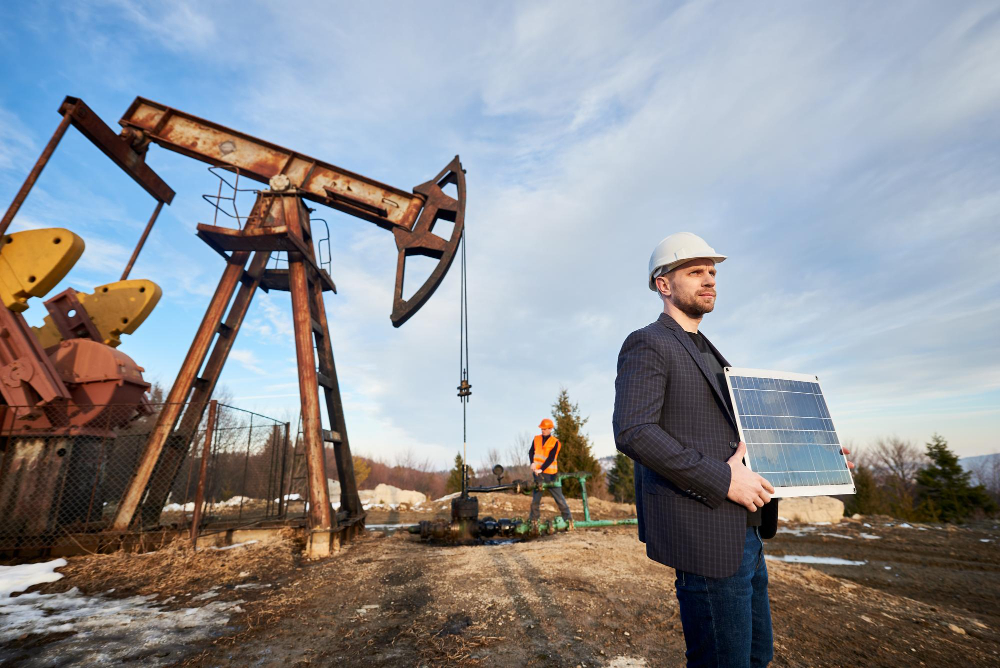
Shale oil is an unconventional form of crude oil found in shale rock. It is often used interchangeably with the term tight oil, though technically tight oil refers to hydrocarbons in any low-permeability rock, not just shale. Shale oil should not be confused with oil shale, which is a different resource altogether. Oil shale contains kerogen, a solid precursor to oil, which must be heated to produce synthetic crude.
The commercial success of shale oil production began in the early 2000s, thanks to two key technological advances: horizontal drilling and hydraulic fracturing. These two breakthroughs made it economically feasible to access oil that was once considered unreachable, unlocking enormous new domestic supply.
Major shale oil plays in the U.S. include:
-
The Permian Basin (Texas and New Mexico) is considered the largest and most productive.
-
Williston Basin/Bakken Formation (North Dakota and Montana).
-
Eagle Ford Shale (Texas).
-
Niobrara Formation (Colorado, Wyoming, Nebraska).
Globally, countries like Argentina, China, and Canada exhibit potential, though the U.S. remains the dominant producer of shale oil.
Economics of Shale Oil: Costs, Break-Even, and Decline Rates
Producing shale oil is costlier than conventional oil because it requires intensive drilling, fracking, and large amounts of water and sand. The break-even price, which is the oil price needed for a well to be profitable, varies by region, technology, and operator efficiency. In many major U.S. plays, break-even costs range from $40 to $60 per barrel.
Shale wells are characterized by steep decline curves. Production is very high initially but drops rapidly within the first year. To sustain overall output, producers must continuously drill new wells. This is a cycle that adds capital intensity to shale projects.
However, shale oil also offers operational flexibility. Producers can scale up drilling when oil prices rise and cut back quickly during downturns, giving shale a responsive role in global oil markets. Technological improvements, such as longer laterals and multi-well pads, continue to reduce costs per barrel and improve recovery efficiency.
Benefits and Investment Opportunities in Shale Oil
The importance of crude oil for investors can be linked to multiple factors ranging from production, to economies of scale to the future of international markets.
-
Energy Independence: Shale oil has helped the U.S. reduce reliance on imported crude, strengthening domestic energy security.
-
High Return Potential: When oil prices are favorable, shale producers can generate strong cash flows and attractive margins.
-
Technological Efficiency: Continuous innovation, from better drilling techniques to data-driven reservoir management, has lowered costs and increased recovery rates.
Varied Investment Options:
-
Public E&P companies (e.g., ExxonMobil, Pioneer Natural Resources).
-
Shale-focused ETFs or mutual funds offering diversified exposure.
-
Royalty or lease-based investments that provide income tied to production.
For example, the Permian Basin continues to attract capital because of its scale, geology, and infrastructure. Meanwhile, the Bakken Formation remains a proven, mature play with ongoing productivity improvements.
Key Risks and Challenges of Shale Oil Investment

While the potential rewards are significant, shale oil investments carry notable risks:
-
Price Volatility: Oil prices fluctuate with global demand, OPEC policy, and macroeconomic trends. Low prices can quickly render shale wells unprofitable.
-
Environmental and Regulatory Pressure: Hydraulic fracturing faces scrutiny due to concerns about water contamination, methane emissions, and seismic activity.
-
Operational Risks: Drilling delays, cost overruns, and variable well performance can erode returns.
-
Depletion and Decline Rates: High decline rates mean producers must constantly reinvest capital to maintain production.
-
Capital Intensity: Shale development requires steady investment in drilling, completion, and infrastructure.
-
Transportation Constraints: In some regions, pipeline bottlenecks can limit output or increase costs.
Investors must account for these variables when assessing risk-adjusted returns.
Examples and Case Studies
-
Permian Basin: The world’s most prolific shale oil region, producing over 5 million barrels per day. Operators like Chevron and ExxonMobil have reduced breakeven costs below $40 per barrel through technology and scale.
-
Bakken Formation: A pioneer in shale oil development, the Bakken has seen production costs fall dramatically over the past decade despite infrastructure and transportation challenges.
These examples show how technological gains and capital efficiency can offset the natural decline rates typical of shale production.
How Investors Can Gain Exposure to Shale Oil
Investors can participate in shale oil in several ways:
-
Public E&P Stocks: Shares of producers heavily weighted toward shale assets (e.g., EOG Resources, ConocoPhillips).
-
ETFs and Mutual Funds: Funds like the SPDR S&P Oil & Gas Exploration & Production ETF offer diversified exposure.
-
Royalty and Lease Interests: Investors can earn income tied to shale production without direct operational responsibility.
-
Private Investments: Accredited investors may participate in joint ventures or drilling partnerships, though these carry higher risk and illiquidity.
Before investing, assess the operator’s cost efficiency, balance sheet, and exposure to different basins.
Shale Oil vs. Conventional Oil: A Comparison
Compared with conventional oil, shale offers faster scalability but shorter production lives per well. Relative to natural gas or tight gas, shale oil is often more profitable at high crude prices but more vulnerable to price swings.
Natural gas storage’s influence on global markets has been traditionally impacting prices and is an integral factor in avoiding volatility in distribution channels. Against renewables, shale remains carbon-intensive and subject to long-term transition risks but it still provides reliable returns tied to global demand for oil.
Future Outlook: What to Watch
Several trends will shape shale oil’s future:
-
Oil Price Outlook: Sustained prices above $60/barrel support growth and reinvestment.
-
Policy Shifts: Stricter environmental regulations could raise costs or limit expansion.
-
Technological Innovation: Continued improvements in drilling and completion could extend reserve life and lower costs.
-
Infrastructure Growth: Expanding pipelines and export terminals may ease bottlenecks and enhance profitability.
Overall, shale oil remains a key factor in global supply, even as the world transitions toward cleaner energy.
Conclusion
Shale oil investment offers the chance to benefit from one of the most transformative developments in modern energy but it is not for every investor. The sector’s economics depend heavily on oil prices, regulatory policy, and operator efficiency. For those willing to understand its cycles and risks, shale oil can provide meaningful exposure to global energy markets. Diversify, stay informed, and invest with a long-term perspective.
Frequently Asked Questions
What’s the difference between shale oil and tight oil?
Shale oil refers to oil trapped in shale rock, while tight oil can also include oil from other low-permeability formations.
What oil price does shale oil become profitable?
The prices vary, typically between $40 and $60 per barrel, depending on region and technology.
Is shale oil investment environmentally risky?
Yes. Fracking has potential environmental impacts, including water use, emissions, and seismic activity.
How quickly does shale oil production decline?
Most wells experience steep declines within the first year, requiring continuous drilling to maintain output.
Can shale oil reserves last?
Yes, the U.S. holds hundreds of billions of barrels in technically recoverable reserves, though long-term viability depends on price, technology, and regulation.