
Understanding upstream oil and gas drilling fundamentals starts with drilling. This phase converts geological theory into a real wellbore. Farm from “just making a hole,” drilling integrates geology, engineering, physics, logistics, and safety.
This guide explains where drilling fits into upstream operations, why some wells are simple while others push the limits of modern engineering, and how each step is planned and executed.
Understanding Complexity in Upstream Drilling
Upstream operations vary dramatically based on four core drivers. Together, they shape cost, risk, and technical requirements. These four factors are hydrocarbon type, reservoir type, location, and equipment type.
Hydrocarbon Type: Oil vs. Gas
The type of hydrocarbon changes both engineering requirements and safety protocols. Oil wells often allow more stable drilling conditions, while gas wells can be volatile and require faster reaction times. Gas’ mobility and pressure behavior mean:
-
Higher-spec blowout preventers
-
Tighter pressure control
-
More intensive real-time monitoring
Even when geology is similar, a gas well almost always demands more conservative safety margins.
Reservoir Type: Conventional vs. Unconventional
Reservoir characteristics determine the well architecture. Conventional reservoirs flow naturally and typically use vertical or gently deviated wells. They usually require lower horsepower and simpler well paths.
Conventional and unconventional reservoirs determine the well architecture. Conventional reservoirs flow naturally and typically use vertical or gently deviated wells. They usually require lower horsepower and simpler well paths.
Unconventional reservoirs (shale, tight formations) require:
-
Long horizontal laterals (2–3 miles or more)
-
High-pressure stimulation (fracking)
-
Precise geosteering within thin pay zones
Location: Onshore, Offshore, Remote, or Extreme Environments
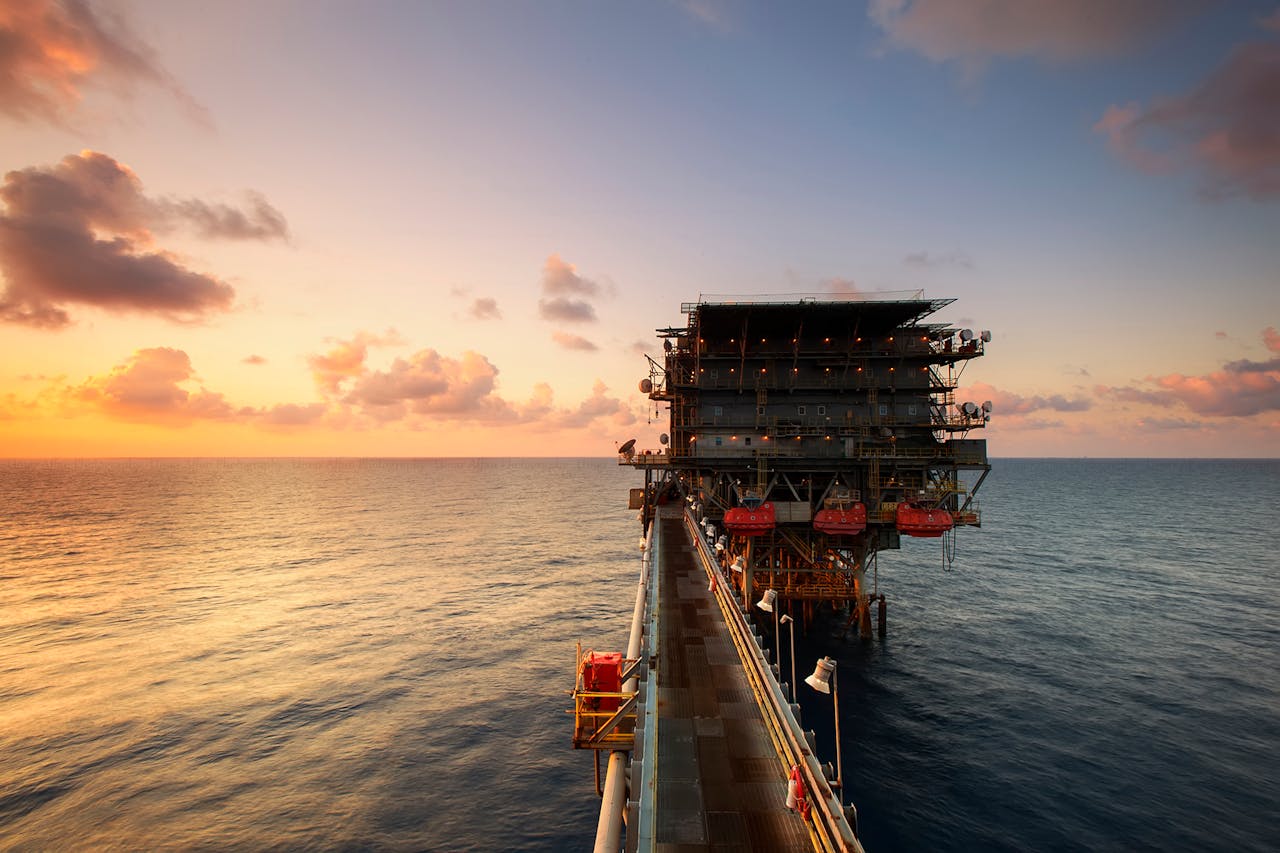
Where the well sits often dictates a large portion of the budget. Onshore wells may be accessible and infrastructure-rich or isolated with minimal support. Offshore rigs must operate as self-contained industrial plants with housing, power, drilling systems, and safety equipment onboard.
Remote or extreme environments like the Arctic, desert, and deep jungle add challenges such as:
-
Harsh temperatures
-
Limited access
-
Equipment transport difficulties
-
Heightened safety planning
Location often influences operating cost more than depth.
Equipment: Rig Type and Subsurface Components
The rig is the “muscle” of the operation. A mismatch between rig capacity and drilling requirements leads to delays or equipment damage.
Key rig factors include:
-
Horsepower and hook load (lifting capability)
-
Mud system performance
-
Rotary steerable and motor capabilities
-
MWD/LWD tools for real-time data
The right rig allows for efficient drilling; the wrong one increases cost and operational risk.
Drilling: The Where, What, and How
Although drilling creates a hole in the ground, the planning behind it is meticulous. Three steps define the process.
1. Knowing Where to Drill
Geoscientists combine seismic imaging data, geological models, and nearby well data to identify targets with commercial potential. The goal is not just finding hydrocarbons, but determining whether they can be produced economically.
2. Understanding What You’re Drilling Through
The rock and fluids below the surface influence the entire well design. Engineers evaluate:
-
Rock hardness and brittleness
-
Pressure gradients
-
Natural fractures
-
Temperature
-
Corrosive gasses like CO2 and H2S
These details guide decisions about casing design, mud weight, bit selection, and safety barriers. Knowing the subsurface conditions reduces surprises and prevents costly non-productive time.
3. Planning How to Drill
Once the target and subsurface conditions are understood, drilling engineers design the well. The planning includes:
-
Well trajectory (vertical, directional, or horizontal)
-
Rig selection
-
Casing points and cementing schedule
-
Fluid and pressure-control programs
-
Contingency procedures for unexpected events
This phase ties together geology, engineering, and safety into one executable plan.
Hostile Environments and Technical Challenges
Modern wells often exceed 6,000 meters (20,000 ft). At these depths:
-
Temperatures exceeding 400°F (200°C)
-
Pressures above 15,000 psi
-
Highly corrosive fluids
-
Rapidly changing geological layers
Advanced materials, corrosion-resistant alloys, specialized drilling fluids, and constant monitoring help prevent failures. Neglecting these factors is one of the main causes of downhole equipment damage.
Measured Depth (MD) vs. Total Vertical Depth (TVD)
Understanding MD and TVD is essential to evaluating well complexity.
-
Measured Depth (MD): Total length of the drilled wellbore, following its exact path. MD influences torque, drag, and rig horsepower needs.
-
Total Vertical Depth (TVD): Straight-line vertical distance from surface to reservoir. TVD indicates temperature, pressure, and overall vertical reach.
A horizontal shale well might have a modest TVD but an extremely long MD, making it mechanically complex despite being relatively shallow.
A shale well using horizontal drilling techniques might have a modest TVD but an extremely long MD, making it mechanically complex despite being relatively shallow.
Choosing the Right Rig
Rig selection aligns technical capability with well requirements. Key considerations include:
-
Expected MD/TVD
-
Formation hardness
-
Required mud volume and pressure control
-
Horizontal vs. vertical design
Choosing a rig that’s underpowered results in slow penetration rates, stuck pipe, equipment failures, and cost escalation. Good rig-to-well matching is one of the most important planning decisions in upstream operations.
Putting It All Together: Drilling in the Upstream Chain
Drilling is the gateway to all future upstream activity.
-
Exploration finds the potential.
-
Drilling creates the access.
-
Completion prepares the well to flow.
-
Production manages the hydrocarbons for years or decades.
If drilling is done poorly, the entire upstream chain suffers. Production will slow down, costs rise, and safety risks will increase. But when done well, drilling sets up a stable, productive well for decades.
FAQs
1. What is the main purpose of drilling in upstream oil and gas?
Drilling creates a safe, engineered pathway to access hydrocarbons trapped beneath the surface. It allows operators to evaluate the reservoir and ultimately produce oil or gas.
2. Why is rig selection so important?
The wrong rig can cause delays, stuck pipe, equipment failures, or safety risks. Rig horsepower, depth capacity, and mud systems must match the planned well design.
3. What makes unconventional wells more complex?
They require long horizontal drilling, higher pressures, more advanced tools, and tight geosteering tolerances. This increases technical difficulty and cost.
4. How do operators manage hostile downhole conditions?
Engineers use high-grade alloys, corrosion-resistant components, optimized mud systems, and real-time monitoring to protect equipment and personnel.
5. What’s the difference between MD and TVD?
MD measures the full length of the drilled wellbore; TVD measures only the vertical distance. Both affect design and operational decisions.