
The energy industry is foundational to the global economy. From transportation and manufacturing to technology and construction, oil and gas power nearly every sector. While trends may change, the demand for oil and gas has been steadily increasing with the pace of the world, leading to a rise in both prices and return on investment.
Between January and November 2024, the oil and gas industry dividends reached US$213 billion globally. Projections for 2035 estimate a 49% increase in energy consumption, with oil and gas production already up 71.8% in the last year. With these spikes in demand, there is increased room for exploration and production opportunities in the industry. This translates to expansion of lucrative options for investing in oil and gas wells.
Because the field is wide and offers diverse oil well investment opportunities, the potential rewards can balance the inherent risks, making the industry an attractive option for investors. This guide breaks down the essentials so that every first-time oil and gas investor can navigate opportunities with clarity and confidence.
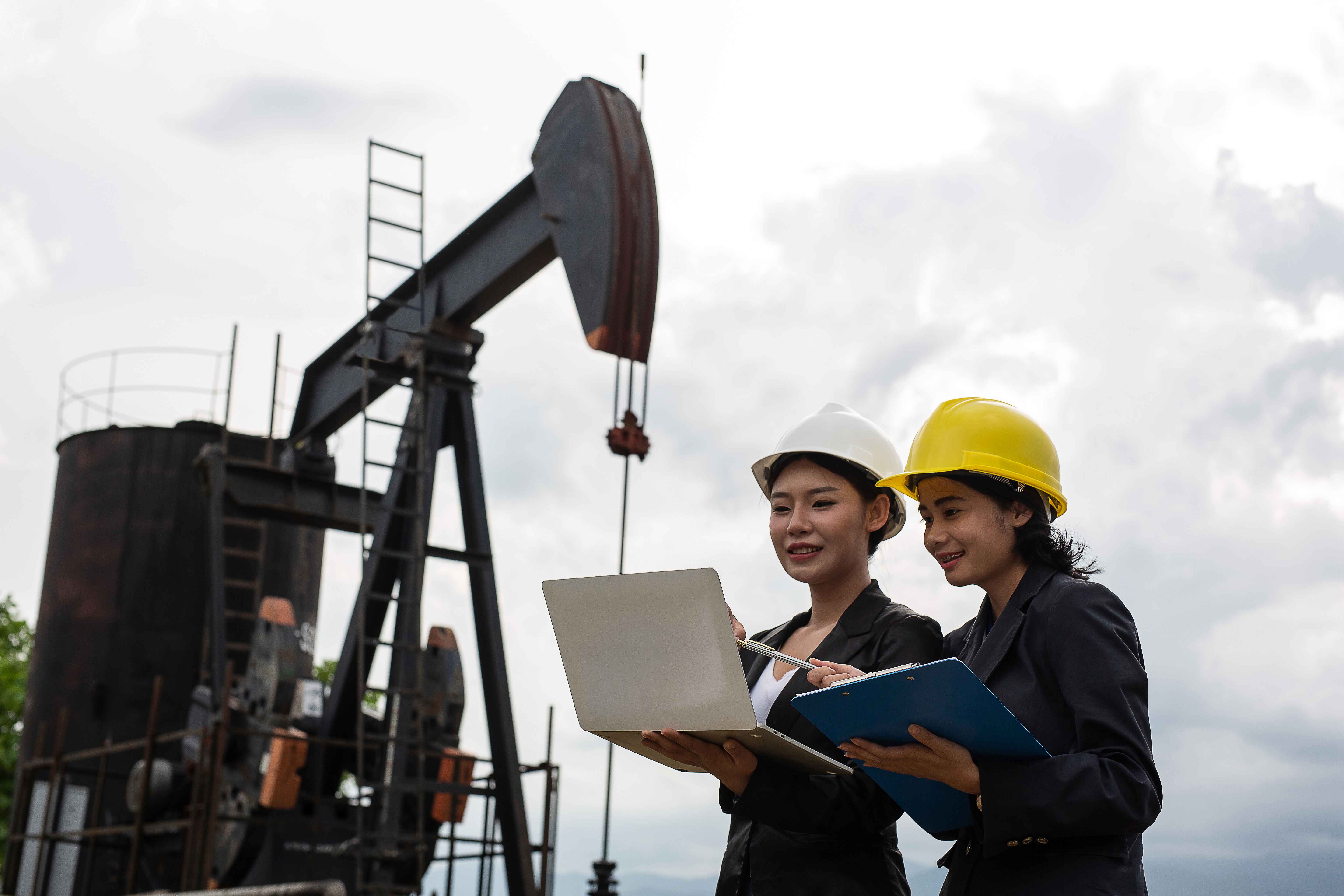
Investing in Oil and Gas Wells: A Brief
Oil and gas investing primarily focuses on companies, projects, or funds tied to exploring, producing, and selling petroleum or natural gas. Investment returns can be in the form of royalties, dividends, capital gains, or profit shares. Like any investment, this sector is inherently volatile because oil and gas prices depend not only on supply and demand. It’s affected by politics, global conflicts, and international trade. Still, it remains one of the most active investment spaces worldwide.
According to 2023 data, the United States, Saudi Arabia, Russia, and China are the global giants leading oil and gas production, respectively. The United States also leads the world in oil consumption at 20% of the global total, followed by China at 15% and India at 5%.These dynamics highlight what you need to know before investing, from global demand patterns to how geopolitical factors influence pricing.
The technical and economic volatile nature of the industry can make it difficult for new investors to enter the market. While access and information barriers exist, almost any individual can begin investing in oil and gas through less risky investments (such as ETFs and mutual funds). More advanced investors, particularly accredited ones, can pursue direct investments and private oil well investment opportunities, which often carry risk but also the potential for higher returns.
Investment Timeline in Oil and Gas Wells
When investing in oil and gas wells directly or through methods that depend on production levels for distribution, understanding the drilling process and timeline is important. Briefly, the stages include:
-
Site Exploration and Preparation: Securing permits, ensuring compliance, as well as initial clearing and setup of the site where the bore wells will be drilled.
Expected time: Four to eight weeks. -
Drilling: Construction of the drilling rig and the actual well drilling process.
Expected time: four weeks to a year (according to the complexity of the process) -
Fracturing or Stimulation: Completion of the well by high-pressure flushing to improve the permeability of the oil and gas
Expected time: Three weeks -
Testing: Monitoring flow and pressure rates to optimize production
Expected time: Several months -
Tubing and Set-Up: Installation of pipelines, separators, storers, tanks, and collection of flowback.
Expected time: Installation takes a minimum of one week, while flowback can take longer. -
Production: Active production is when revenue generation begins and interest distributions are made.
Why Invest in Oil and Gas
For many investors evaluating long-term assets, understanding why choose oil and gas investments begins by looking at the sector’s unique financial, tax, and diversification advantages. Investing in oil wells can be a lucrative investment with many upsides. These include:
-
Tax benefits: To spur exploration, the federal government has introduced many benefits for taxpayers who invest in oil and gas. This includes tax credits for specific activities or technology, deductions for intangible drilling costs (IDCs), and depletion allowances. IDCs alone can cover deductions of 65% to 80% of the investor’s initial outlay.
-
Returns and Passive Income: Return distribution in oil and gas can be fairly stable as compared to the stock market, and also offers the possibility to hedge against future inflation. Hence, oil well investment can create an opportunity for a consistent secondary income stream.
-
Diversification of portfolio: If directly investing in oil and gas wells sounds intimidating or risky, there are ample opportunities to diversify your portfolio within the oil and gas industry itself. Alternative investment paths with lower volatility, including ETFs, ETNS, bonds, etc., help offset the exposure to a single asset and protect against risk.

What Should You Keep in Mind When Investing in Oil and Gas
Despite the considerable upsides, there are several inherent risks investors should be aware of in the energy market, especially when investing in oil and gas wells directly. Some key considerations include:
-
Volatile market: The oil and gas market can fluctuate based on multiple external factors, including geopolitical shifts, international relations, conflicts, and market demand. Since the nature of production is capital-intensive, moving or shutting down processes according to shifts is not an option. Moreover, investing in a country with a more unstable government can also lead to additional political risks and exposure.
-
Dividend cuts: Especially when investing in an exploration company or oil well directly, the distribution of dividends is based on production. If an oil well is not commercially viable or if lower revenue is generated, investors face the risk of their dividends being cut by the company.
-
Liquidity Risks: Investing in oil and gas wells is a long-term investment that requires patience and an understanding of the investment timelines. It is difficult to exit early since returns are tied to the completion of production cycles.
-
Exploration risks and accidents: Another real risk in the oil and gas industry is accidents during exploration, production, and transportation. Oil spills, for example, have been known to significantly impact a company’s share, leading to loss of revenue and subsequently investor income.
-
Regulatory Complications: The oil and gas industry faces strict and dynamic regulations, including environmental standards, safety protocols, licensing, etc. Being aware of these compliances helps you understand the possible barriers projects may face and choose a legitimate company to invest in.
-
Sustainability Pressures: Evolution in the global discourse on sustainability and a move towards renewable resources has also impacted demand for oil and natural gas, leading to changes in the industry. Understanding the product’s impact on the environment and compliance with environmental regulations should also be on a new investor’s checklist.
Types of Oil Investment Opportunities
The oil and gas sector offers different investment options suited for both beginners and more experienced investors, including:
-
Oil & Gas Stocks and Mutual Funds: For investors switching from other industries, holding equity through oil stocks or energy-focused mutual funds can provide exposure to the oil and gas industry. These are some simple entry points that give you exposure without direct involvement in the industry.
-
ETFs and ETNs: Exchange-traded funds (ETFs) and exchange-traded notes (ETNs) are among the most accessible oil investment opportunities. ETFs are a basket of securities that track oil prices or contain oil stocks. ETNs are unsecured debt issued by banks, tracking an index without owning underlying assets.
-
Direct Investment: It is also possible to directly invest in oil wells and other extraction projects by investing through working interests of oil and gas exploration companies. However, this option is generally reserved for experienced or accredited investors.
-
Master Limited Partnerships (MLPs): MLPs are often organized by oil and gas companies to offer a more liquid option than stock to investors and are another form of direct investment. Those who buy in are called unitholders or limited partners and share in the income, deductions, losses, and credits of the company.
-
Spot Market and Oil Futures: If you have the resources, it is also possible to buy barrels of oil on the spot market and store them. However, this is a highly expensive option. Most investors instead choose to invest in oil futures, i.e, making a contract to buy a specific quantity of oil at a predetermined price at a later date.
-
Royalty Interests: Interests where the investor is not liable for the cost of production but retains ownership of a portion of the revenue are known as royalty interests. These interests are generally held by those who own the rights to an oil field but who give away the right of exploration and mining (with working interests) to a bigger oil and gas company.
Who Can Invest
Just as there are various avenues for investments, investors can also be divided into different categories in the energy industry. As discussed previously, beginners and new investors tend to prefer investing through alternative mechanisms such as ETFs and mutual funds that provide exposure to oil and gas investment without actually holding the product. They are also a good pathway to diversify your portfolio and minimize risks.
Accredited investors are individuals or entities with a net worth of over $1 million or an income exceeding $200,000 in the past two years, with a reasonable expectation of similar income this year. Accredited investors have access to investments that are considered riskier but also yield higher returns. This includes private placements in oil and gas wells and direct participation in the management of such projects.
Sophisticated investors, including Qualified Institutional Buyers (QIBs), are larger entities that manage or control securities worth at least $100 million on a discretionary basis. Given their experience, assets under management, and/or net worth, they are deemed not to require regulatory oversight under the Securities Act’s registration provisions. QIBs include institutions such as banks, loan associations, mutual funds, and insurance companies. They are permitted to trade in restricted commodities under Rule 144A, which applies to the resale of commodities. Hence, the securities managed by QIBs are generally more liquid.
Private Equity & Venture Capital (VC) Firms are also a category of investors in oil and gas that focus primarily on exploration companies. VCs, for example, fund early-stage companies or innovative technologies in oil and gas exploration. A private equity firm may also strategically invest in companies to improve functioning and returns.
Finally, government investors are another major player in the field, both in the form of projects funded through federal grants or international oil field investments.
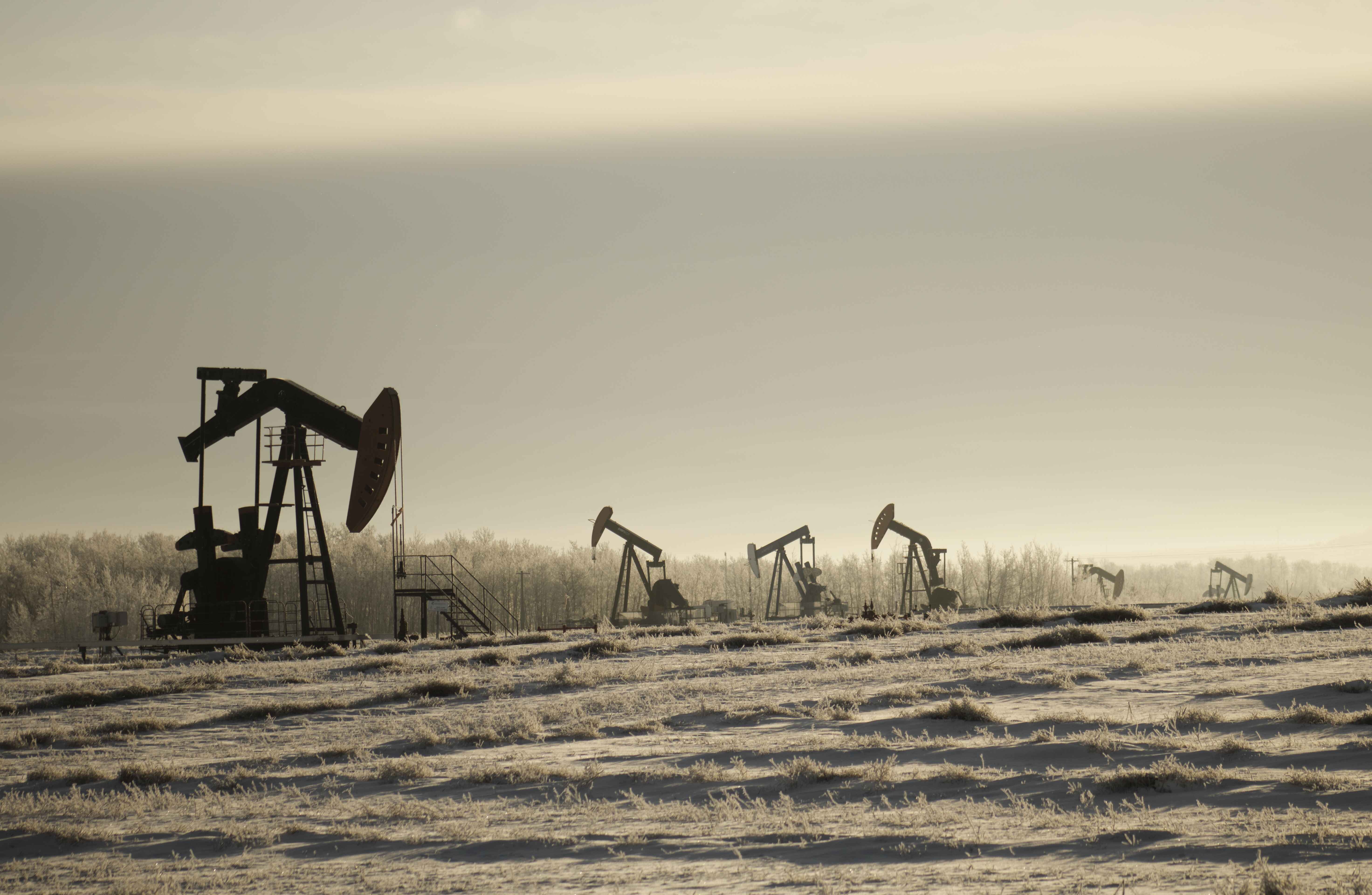
New Trends in the Energy Sector
Energy production is a large and dynamic sector with constant evolution in technology, value, and demand. Some key trends in the sector include:
Sustainability
With an environmental focus, many players in the sector are shifting towards renewable energy sources. These energy sources have minimal harmful emissions and are constant sources of power. Investments have resulted in advancements in renewable energy technologies, including greater efficiency, better conversion rates, more compact, and affordable generators sourced from solar, hydroelectric, and wind energy.
Automation and Technology
Technology advancement and the introduction of artificial intelligence (AI) have removed several barriers in the energy industry. These include using IoT (Internet of Things)-based systems that can predict maintenance and equipment failure potential. Use of IoT has also enabled remote monitoring and control of energy systems and AI integrations in exploration and carbon capture.
Further, energy efficiency and innovations are also being fueled through quantum computing, which focuses on the reduction of greenhouse gas emissions. On the investment side, blockchain technology is being increasingly adopted to create a decentralized network for all stakeholders.
Distributed Energy Resources (DERs)
Another form of decentralization that is transforming the industry is DER technology. DER includes solar panels on residential buildings and small wind turbines, which allow users to generate energy on a smaller scale. Consumers now have the option to produce energy for their consumption and source back excess to the main power grid.
Market and Institutional Shifts
The energy market continues to shift as a result of OPEC+ regulation, international conflicts, and a push for sustainability. This is reflected in the decision-making of larger institutional players, with many companies prioritizing low-carbon innovations and digital transformations. The past few years have also seen many M&A consolidations with deals worth nearly US$136 billion since 2023. Another notable shift is the rise of energy technology companies, many of which are former oilfield companies that saw a notable decline over the years. All these shifts point to an effort on the part of larger companies to diversify their portfolios in order to remain competitive and profitable.
Conclusion
The shifts in the market and advancements in the industry have created more diverse oil well investment opportunities. Rising demands have spurred greater exploration and innovations to streamline production, while the push for sustainability has also created alternatives for those averse to investing in oil and gas wells directly. Investments will remain central to the scaling of the energy industry. New investors or older players looking to diversify their portfolios within oil and gas should consider these pivotal shifts to safeguard their future profits in the dynamic sector.