
Introduction
Oil and natural gas are essential to the world economy. They fuel transportation and manufacturing, power homes and industries, feedstocks for the petrochemical industry, and provide raw materials for many products. As demand remains strong, many investors view oil investment as a significant opportunity.
Long-term studies within the oil industry and forecasts have shown that oil prices are expected to remain higher than pre-pandemic average rates due to supply constraints that have persisted in recent years. It makes the sector attractive. However, to invest wisely, it’s important to know what to look for before committing your money.
These factors outline what you need to know before investing in an oil well, helping you make decisions grounded in data and long-term value.
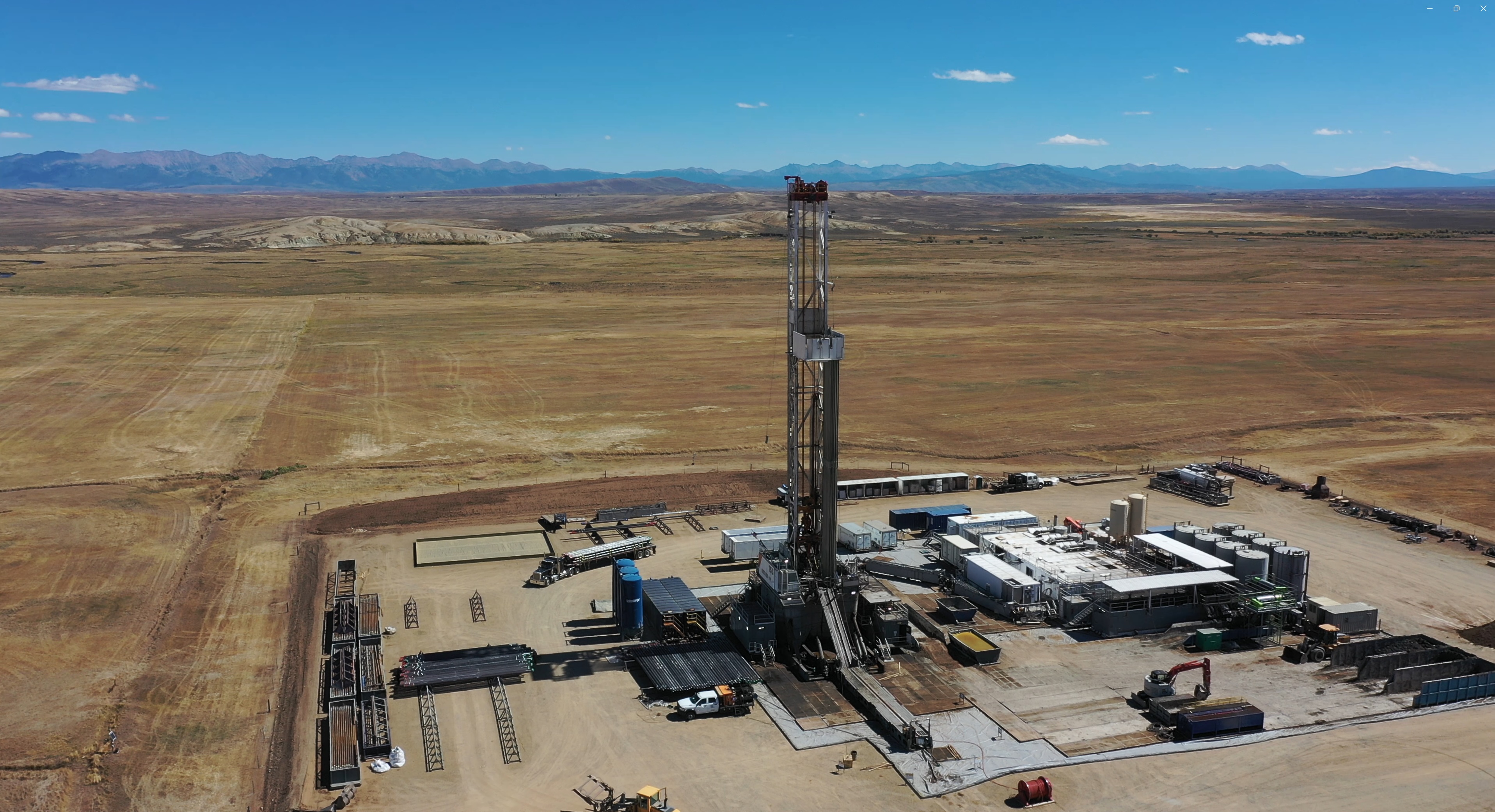
Key Essential Consideration: Assessing the Financial and Operational Health of the Area You Are Investing In
The first step in choosing an oil well investment is checking its financial strength and operations. The benefits of investing in oil wells are significant, as they act as a hedge against inflation because oil prices usually rise with inflation. They also have the potential to deliver high returns and steady cash flow as oil prices often rise in tandem with inflationary pressures. Furthermore, the high return potential of investing in oil wells is always a top factor when considering an investment.
Another benefit of investing in oil wells is diversification. Oil well investments don’t move in the same way as traditional equities and bonds, so they can balance out a portfolio.
On top of that, it is also important to consider the tax advantages for investors beyond financial performance. Considering the potential tax incentives tied to oil and gas ventures helps provide the company with a strong operating margin. Tax advantages also fall within the purview of the regulatory framework upon investing in oil and gas. Tax incentives in many jurisdictions (such as the U.S.), such as deductions for intangible drilling costs, tangible drilling equipment depreciation, and even depletion allowances, can significantly enhance after-tax returns.
Management and Governance
Effective leadership makes a big difference in the success of an oil well investment. It is a crucial factor to consider when investing, as management can help in mitigating oil well risks. The management team must be able to handle challenges relating to investing in oil like, Organization of Petroleum Exporting Countries (OPEC) policies, regulatory changes, and geopolitical shifts. Hence, it is also important to keep a keen understanding of geopolitical instability across the globe. Strong governance frameworks also play a central role in mitigating oil well risks by ensuring operational discipline and transparent decision-making.
Knowledge of performance metrics in oil and gas firms, legislation, and how laws regarding investing in oil are important, as pricing strategies set by OPEC directly influence profitability. The management team’s ability to navigate production quotas related to oil is a marker of strategic strength and resilience. A trustworthy team with experience and transparency gives investors more confidence and lowers risks.

Geology and Field Data
The quality of the land being drilled is one of the most important factors in an oil well investment. From the perspective of someone trying to invest in oil wells, knowing from the geological standpoint of investing helps in mitigating oil well risks associated with drilling. This further helps in bringing more return on investment. Investors should review geological surveys, seismic data, and isopach maps for reservoir quality and drilling feasibility before investing in an oil well.
Running a pilot study or hiring independent experts to evaluate the neighboring well performance, spacing, and reservoir thickness to predict potential production also helps to navigate better decision-making. Solely relying on internal assessments can leave critical blind spots; hence, involving an independent third-party geological and engineering report to track the performance metrics in oil and gas firms could provide an objective layer of analysis. This helps confirm whether the reservoir has characteristics for production potential and long-term viability. Reviewing performance metrics in oil & gas firms, such as decline rates, EUR forecasts, and historical well performance, adds another layer of clarity when assessing reservoir quality.
Risk Environment
Like all investments, oil wells come with risks. Broader global energy trends play a huge role in shaping one’s decision to invest in an oil well. Apart from the traditional factors such as price swings and geopolitical uncertainties, energy trends are constantly evolving daily. The growing shift toward renewable energy sources may change demand over time. These changes are suspected to affect the long-term profitability of oil wells.
Stricter environmental standards, carbon pricing, and other evolving regulatory policies are also raising compliance costs and impacting the overall operational viability for many companies.
A smart investor studies these risks and weighs them against the potential rewards before moving forward. It is important to maintain the balance between fossil fuels and renewables, which will play a defining role in shaping the future risk-reward landscape for oil and gas investments in the near future.
Understanding the Investment Structure
When evaluating oil well investment opportunities, you’ll find that understanding the investment structure is an essential component of the task. The better understanding one possesses of the structure of investment, the better informed choices and decisions are taken. Oil and gas projects can offer significant financial upside through attractive returns on investments and potential tax benefits, such as deductions on intangible drilling costs; however, investors must also weigh possible tax liabilities.
How an oil well investment is structured has a big impact on returns and risks. Common options include:
-
Working interest – It offers higher profit potential but more operational responsibilities and risks
-
Royalty interests – They provide passive income with fewer obligations but lower returns.
-
Partnerships – It’s a shared investment with shared rewards.
Understanding these structures, along with possible tax benefits or liabilities, helps investors choose what fits their goals and risk tolerance.

Conclusion
An oil well investment can be profitable, but only if it’s approached with care. Careful evaluation of geology, financial health, investment structure, and risk environment makes the sector an interesting one for well-informed investors. While the energy market is evolving, oil and gas remain critical worldwide. In the end, a successful investment venture in oil wells lies in approaching each opportunity presented for consideration with due diligence. Making sure to leverage independent expertise and aligning investment choices with long-term financial goals is the way ahead.
Frequently Asked Questions
What are the risks associated with investing in oil wells?
Fluctuating oil prices, drilling failures (dry wells), regulatory changes, geopolitical tensions, and environmental liabilities are the common risks associated with investing in oil wells. These risks can impact the capital being invested.
Who can invest in oil wells?
The opportunities to invest in oil wells are available to accredited investors with higher risk tolerance. Without a margin for high risk tolerance, it does get difficult to invest at times. Some opportunities may also be open to partnerships or investment funds.
How can one evaluate a good oil well investment opportunity?
The operator’s track record, geological data, reserve potential, financial health, and risk-sharing structure (working vs. royalty interest).
How long does it take to see returns?
Returns may start within months of a successful well beginning production, but full ROI may take several years depending on market and operational factors.
What are the tax benefits involved in investing in an oil well?
Yes, there are tax benefits involved. In the U.S., investors may receive tax deductions for intangible drilling costs (IDCs), depletion allowances, and operational expenses, which can lower overall tax liability.