
Introduction
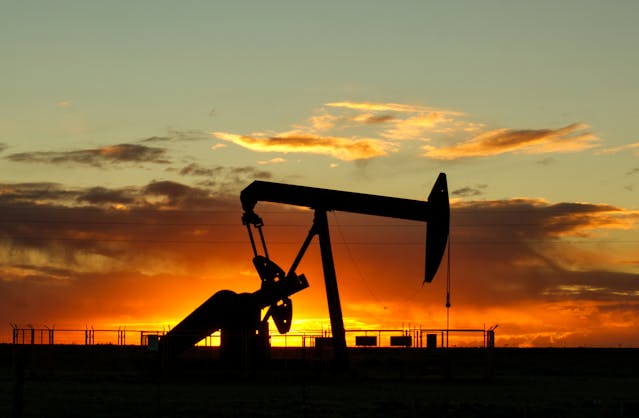
Directly investing in oil wells means funding drilling and production projects, rather than buying stocks holdings or energy focused funds. This approach gives investors the chance to participate in oil well projects that may offer unique benefits. These include tax incentives, a way to spread out investments, and income tied directly to resource production. Direct participation in oil and gas allows investors to engage at the project level, rather than just buying public equities, giving them hands-on exposure to revenue and risks.
Because these investments are complex, oil and gas well investments are typically best suited for accredited investors who can handle higher risk and seek guidance from qualified experts in finance and taxes. For many, investing in oil wells is seen as a way to spread out their investments while gaining exposure to one of the world’s key industries.
Understanding Direct Participation in Oil and Gas
One of the most structured ways to invest directly in drilling projects is through Direct Participation Programs (DPPs). These programs allow investors to fund oil and gas ventures at the project level. Investors share both the revenue generated and the costs involved. DPPs have two primary forms of ownership.
First, Working Interest Ownership lets investors receive a direct share of production. It also means they take on a portion of the cost of production and risks associated with it.
Second is Oil and Gas Limited Partnership Ownership which investors pool capital, limit liability, and place management in the hands of seasoned operators. Investors often join oil & gas limited partnerships to pool resources, limit liability, and rely on experienced operators for management and operational expertise.
Each ownership provides unique ways to invest in oil wells depending on an investor’s objectives and involvement preferences.
Ways to Invest Directly in Oil Wells
Investing in oil and gas wells can be approached through several structures, each with its own balance of accessibility, risk, and potential reward.
|
Investment Method |
Description |
Risk/Accessibility |
|
Private Placements |
Directly fund drilling projects for potential high returns |
High reward but high risk; limited to accredited investors |
|
Future Contracts |
Speculative contracts based on oil price movements |
Highly volatile, best for experienced traders |
|
Micro-cap Stocks & Oil and Gas Limited Partnerships |
Smaller companies or niche partnerships in the energy sector |
Limited liquidity, higher risk, but potential for niche growth |
|
ETFs & Mutual Funds |
Exposure to oil and gas through pooled assets |
More accessible; lower risk than direct ownership |
|
ADRs & Large-Cap Oil Stocks |
Shares of global oil companies traded on public markets |
Widely available; lower entry barrier; tied to company performance |
Note: ETFs, mutual funds, and ADRs do not provide direct ownership of wells. They are included here as more accessible alternatives for investors who may not qualify for private placements or partnerships.
Potential Benefits of Oil Well Investments
Direct investment in oil and gas wells offer many advantages that differ from traditional investments. These benefits can enhance both portfolio performance and long-term financial planning, making oil well investment opportunities a compelling option for qualified investors.
Tax Advantages
Investors also enjoy preferential tax treatment. Intangible drilling expenses are frequently 60–80% deductible in the first year. Tangible drilling expenses, including equipment costs are often fully deductible in the year acquired. There’s also an allowance of depletion that permits a percentage of income to be tax-free, enhancing after-tax returns.
Portfolio Diversification
Oil and gas can hedge against inflation and market unpredictability, which help you diversify your exposure when your traditional company stocks and bonds begin to fluctuate. Adding energy assets provides investors with increased portfolio stability in the face of economic instability.
Direct Revenue Potential
Returns are directly correlated to production results, providing income based on resource output instead of stock performance from companies. This establishes a closer link between investment capital and actual output.
Long-Term Asset Value
Wells and infrastructure may continue to generate value after the recovery of costs, creating long-lasting investment opportunities. In some cases, they also retain residual value as changes in the market occur.
Global Energy Demand Participation
Investors acquire immediate participation in one of the world’s most essential and long-lasting sectors. The ongoing global consumption supports the long-term significance of direct investing in oil wells as part of a diversified strategy.
Risks and Considerations
Investing in oil and gas wells provides a great opportunity, though it also has its challenges that the investors should carefully consider.
Knowledge of these aspects guarantees better and informed decision-making while searching for oil well investment opportunities.
Commodity Price Volatility
Oil and gas markets are very cyclical and sensitive to worldwide demand, supply disruptions, and geopolitical disturbances. These changes can have direct effects on profit.
Operational Risks
Dry wells, cost overruns, and accidents remain inherent risks in drilling and production. These uncertainties can significantly affect both short-term and long-term returns.
Illiquidity
Direct ownership in oil wells is not easily sold or transferred to others. Investors will need to have patience with holding periods when investing in oil wells in the future.
Regulatory and Environmental Factors
Shifting regulations, environmental regulatory requirements, and sustainability concerns can influence operations and the long-term survival of projects.
How to Start Investing in Oil Wells
Investing directly into oil wells requires a systematic and thoughtful approach. By taking these important steps, investors can experience the energy sector with more focus and confidence.
-
Research Credible Operators: Start by looking for reliable operators who have a good record of managing oil and gas projects. Careful due diligence makes sure that your venture into investing in oil wells is backed by operation expertise and transparency.
-
Review Offering Documents: Study the disclosure documents and private placement papers carefully. These lay out the risks, revenue models, and financial setups which you need to know to make smart choices about oil well investment opportunities.
-
Consult Tax & Legal Advisors: Investing in oil and gas wells can come with its complexities, therefore, professional advice becomes invaluable. Tax consequences, regulatory conditions, and contractual terms need to be carefully reviewed to protect long-term benefits.
-
Begin with Small Allocations Before Increasing Exposure: As with all other alternative assets, it is wise to start small when investing in oil wells. Taking it step by step lets you get to know how the market works and how well the operators do their job before you commit more capital.

H2: Conclusion
Direct investing in oil wells can be very lucrative, but it can come with some risks as well. Such investment opportunities are usually for accredited investors with a high risk tolerance.
Success here depends on thorough due diligence, close examination of offering documents, and advice from professionals. While there are obstacles, investing in oil wells is an option for investors seeking to diversify their portfolio structures and gain exposure to the energy sector. In the future, strategic investment planning with the right guidance of industry experts and even insights from top investment firms in 2025 can benefit the investors as the oil and gas industry continues to change.
FAQs
Do I qualify as an accredited investor?
Most chances to invest in oil wells are set up as private deals open to accredited investors. Checking if you’re eligible helps follow rules and gives you access to top-notch projects.
Can I Tolerate the Risk of Losing My Entire Investment?
Investing in oil and gas wells comes with big risks. These include ups and downs in the market, problems with operations, and changes in oil and gas prices. Investors need to think about how much risk they’re comfortable with before committing capital.
How Does This Align with My Overall Portfolio and Long-Term Goals?
Investing in oil wells should add to, not clash with, your general asset allocation plan. Ask yourself whether this exposure aligns with your growth goals, income requirements, and diversification objectives.
Do I Have Liquidity Needs That May Conflict with Long Holding Periods?
Oil and gas projects require extended time to make profit. If you expect on time liquidity requirements, such oil well investment opportunities could possibly not fit your financial flexibility.
Do I Understand Operational Risks?
Factors like cost overruns, accidents, or failed drilling attempts can reduce profitability. Knowing these risks upfront helps you manage expectations.