
Introduction
With renewables on the rise, many investors may wonder: Is oil and gas still worth it, and which company is the best bet?
The reality is that while no single company can be declared “the best,” certain factors, financials, and strategies set strong performers apart.
This guide breaks down how to evaluate oil and gas companies and highlights some of today’s leaders.
How Oil and Gas Companies Make Money
The oil and gas sector is large and complex, with many moving parts. Most companies working in the sector can be categorized based on their function, while some larger companies work across sectors. Let’s break down the three segments of the sector:
Upstream Companies
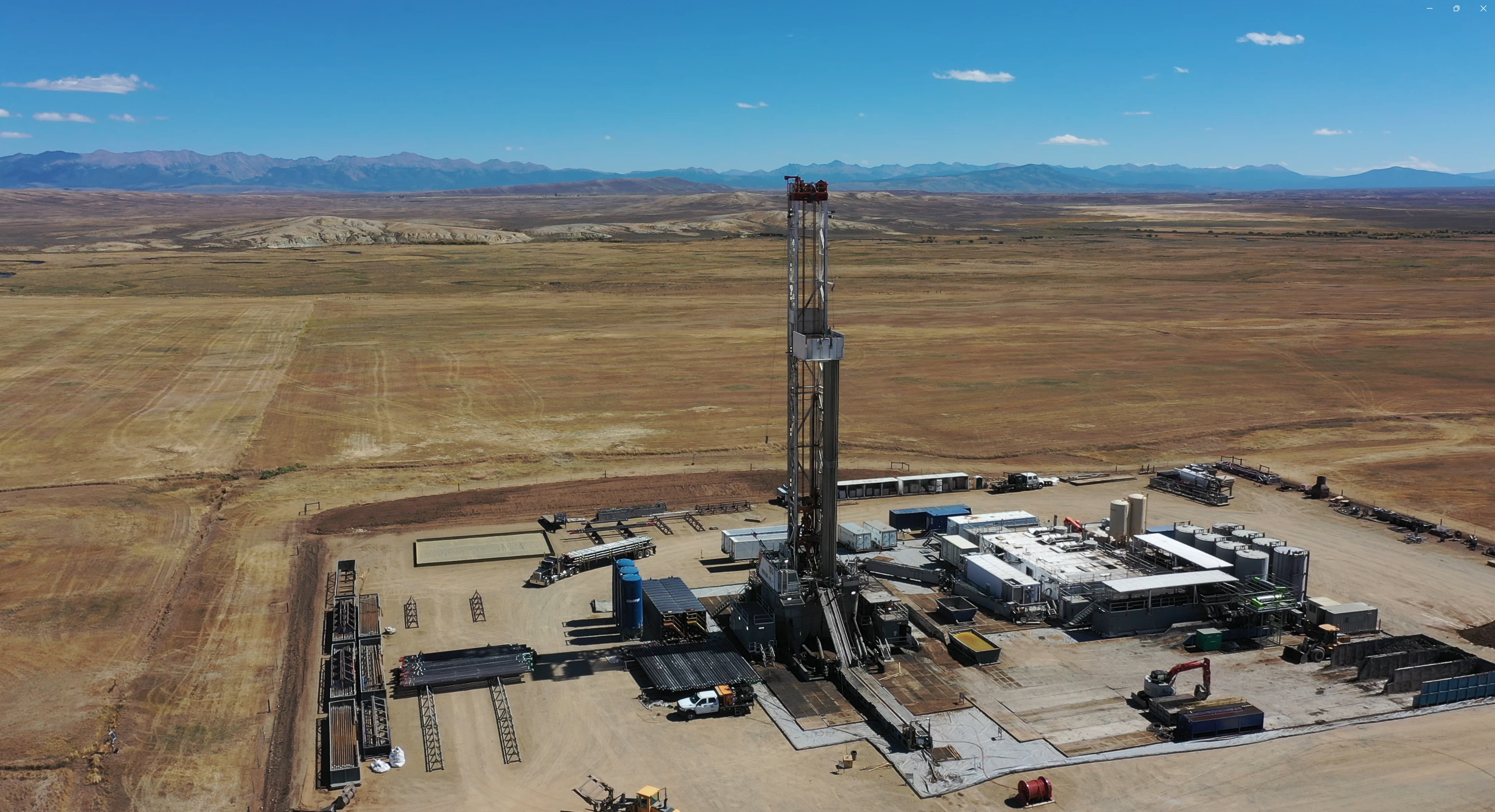
Companies involved in the exploration and production of oil and gas. These businesses find and drill reservoirs to extract crude oil. An upstream business’s revenue stream is linked directly to the amount of product generated and the production timeline. It is an investment-intensive segment and has higher associated risks, but also the potential for greater long-term returns.
Midstream Companie
Businesses involved in transportation, pipelines, and storage of the product. Midstream companies are often subject to high regulation, specifically related to pipeline transmission. However, they are generally low-risk. Naturally, their profits are connected to the profits of upstream companies.
Downstream Companies
Businesses such as refineries and gas stations that are involved with converting crude oil into products such as gasoline, fuel, asphalt, etc. The success of downstream companies is directly linked to market demand and evolving geopolitical factors.
Integrated Majors
Some of the largest players in the sector are integrated oil and gas companies, functioning in two or more segments through different divisions. Integrated companies enjoy greater control over the process and diverse avenues for profit-generation. Investing in an integrated company can provide more stability and a lower risk of loss.
Master Limited Partnerships (MLPs)
Another form of companies in the oil and gas industry is MLPs. These are organized by oil and gas companies to offer investors a more liquid buy-in option than stock. Unitholders in MLP share in the income, deductions, losses, and credits of the company, leading to higher dividends but also a share in the liability in case of business failure.
For investors, choosing the “best” company is not as simple as looking at the highest returns a business offers. The best choice for you will depend on your investing goals, such as high growth, passive income, or stable and low-risk returns.

What to Look for in a Good Oil and Gas Company
Despite variations according to segment and company type, all good oil and gas companies will have some similar features that point to their operational strengths, making them good investment candidates. To avoid fraudulent oil and gas firms and make a sound decision, look for these characteristics:
-
Financial Strength: Analyze factors such as the company’s cash flow, debt, yearly profit rates, etc. A good company will have sound finances signaled by low debts, stable or increasing profits, and no inconsistencies in its records.
-
Reliable Dividends: Understand the company’s payment policy for shareholders, including whether the company has a history of regular dividend cuts.
-
Growth Potential and Stability: Check the company’s exploration plans, any recent acquisitions, and its ability to handle price fluctuations in a dynamic market.
-
Future Ready: Explore the company leadership’s vision and preparedness for the future through markers such as technical integration and a shift towards renewable energy sources.
Popular Oil and Gas Companies of 2025 (Latest Data)
Oil and gas stocks tend to fluctuate. To reap the benefits of investing in oil and gas, choose a company with a strong market position and yearly growth. Some of the companies with high-potential stock and the best one-year performance in September 2025, according to the S&P 500 Index, include:
-
EQT Corp: A vertically integrated natural gas producer with operations focused in the Appalachian Basin. The company’s performance is at +51% according to the index.
-
Baker Hughes Co.: An energy technology company with businesses in 120 countries, showcasing a portfolio of equipment and service capabilities. Baker Hughes’ stock performance is at 34.18%.
-
Expand Energy Co.: America’s largest independent natural gas producer, it boasts a 34.11% performance.
-
William Cos Inc.: Based in Oklahoma, William Companies specializes in natural gas processing and transportation. The company’s stock performance is at 27.15%.
-
Kinder Morgan: An energy infrastructure giant, this midstream company’s performance is at 23.56%.
-
BP PLC: A vertically integrated British “supermajor”, this is one of the oil and gas biggest, with a yearly market summary indicating stocks performing at +17.55.
These options represent some of the best oil and gas companies in 2025. While they differ in function, many of them show great territorial expansion, focus on values, and transition to tech-based energy production, factors that improved their stock and yearly performance.

Risks and Benefits of Oil and Gas Investing with Stocks
Similar to other investment avenues, oil and gas investments through stocks have their own set of pros and cons. Analyzing the benefits against the risks and balancing uncertainty is key to having a strong portfolio.
Pros
-
Investing in oil and gas shares has great passive income potential. Most companies have regular payout cycles, which means that dividends are paid every quarter or year, creating a steady stream of alternative revenue for investors without any active involvement.
-
Owning shares or rights in oil and gas companies helps diversify your portfolio. Oil and gas shares are not directly correlated to the stock market and grow based on independent factors. Hence, the investment can help hedge against market volatility.
-
Oil and gas are an important core industry. Even during cycles of inflation, the prices of energy commodities have increased. Hence, holding oil and gas stocks can protect you against inflation losses.
Cons
-
Oil and gas investments can be risky due to fluctuations in commodity pricing, especially as demand is affected due to increases in renewable energy demand.
-
The oil and gas sector operates globally, often depending on geopolitical factors such as international relations and steady trade between countries for smooth functioning. Any conflict, tension, or major global event can disrupt production and affect the oil and gas market.
-
The energy sector is also subject to several strict regulations, especially around environmental impact and safety. These regulations can sometimes become hurdles in production, extending the timeline or increasing cost, and hence hampering returns.
-
Future prospects in the oil and gas industry suggest a shift towards sustainability and demand for renewable energy, such as wind, solar, and hydro energy. This could affect demand and lead to a lesser production of oil and gas.
Alternatives to Picking a Single Oil Stock
Oil and gas investments offer more than simply stock options in companies. For beginners or investors looking to diversify their portfolio, energy-focused ETFs and mutual funds offer baskets of securities that help avoid single-company risk.
Alternatively, buying into an MLP can give investors more liquid and larger dividend income. For more qualified and experienced investors, buying oil and gas through the spot market and futures is also an option. However, this requires greater investment and risk tolerance, so it is an option limited to a smaller circle of high-net-worth investors.
How to Invest in Oil and Gas Stocks (Quick Guide)
To begin oil and gas investing through stocks, you must choose a stockbroker and create an account. Here is a quick 4-step process on oil and gas investments through stocks.
-
Open a brokerage account: Similar to a bank account, file an application to open an account with a brokerage firm such as Fidelity or Charles Schwab. Typically, opening an account does not require a fee, and most firms offer a no-deposit option.
-
Fund the account: You can choose to fund your account through bank or ACH transfer, debit cards, or credit cards. However, each type of option has different fees. Carefully check the fees and ensure they align with your capacity. For example, it is advisable not to buy volatile stocks on high-interest options such as credit cards, which accumulate interest irrespective of the decline of your stock option.
-
Research companies: After funding your account, you can either choose to find and invest in companies yourself or use a robo-advisor that will manage your account. If you choose to do the former, research the investment company’s performance metrics, such as their finances, growth strategy, stability, and dividend policies. If you choose to go the managed account lane, your advisor will select and manage your portfolio for you.
-
Purchase shares: Finally, once you have set up your account and chosen your company, you can buy the stock through the ticker symbol. The rest of the process is guided by the broker’s website.
While energy stocks often function independently of the share market, one principle remains true: for long-term investment, due diligence and patience are necessary. Make sure to understand the oil and gas industry and align your goals before investing in an energy stock.
Expert Takeaway: What’s the “Best” Oil and Gas Company?
In oil and gas investing, there is no universal answer to the “best” company. What’s right for one may be a bad choice for another. The decision depends on individual goals and investor strategy.
For instance, growth investors looking to increase the value of their portfolio should focus on future-ready companies with robust tech integration and a strategy to expand to renewables, such as Baker Hughes Co.
Income investors whose main focus is on regular passive income should look towards financially strong and steadily growing companies such as Kinder Morgan and Williams Co.
For more balanced exposure and lesser risks of loss, oil and gas investment into integrated majors such as EQT Corp, ExxonMobil, or Optimum Energy Partners is the right path to take.
Diversification across sub-sectors can also provide greater exposure and lower risk of loss of the whole investment, especially in the beginning stages when investors are figuring out which companies best align with their values, goals, and outlooks.
Like any other investment, through research, patience, and diversification, form the foundational stones that enhance the benefits of investing in oil and gas. It’s also a good move to partner with oil and gas investment firms for accredited investors which offer vetted private energy deals, direct well participation programs, and structured opportunities designed for higher-risk, higher-reward exposure.
Explore our other resources for investors to dive deeper into the industry and learn how to invest in oil and gas smartly.
Frequently Asked Questions
How do I evaluate whether an oil and gas company is a good investment?
You should look at metrics such as reserves and production growth, debt levels, cost structure, exposure to commodity-price swings, and how the company is adapting to energy transition trends.
Can investing in oil and gas companies provide passive income?
Yes. Many oil and gas companies pay dividends and can act as an inflation hedge due to their commodity exposure. However, dividend reliability depends on company profitability and commodity-prices.
How does the energy transition towards renewables affect oil and gas companies?
The shift towards greener energy increases regulatory and reputational pressure on traditional oil & gas firms. Companies investing in transitions may fare better in the long run.