
Introduction
If you’re exploring oil and gas investing, one term you’ll almost certainly encounter is Intangible Drilling Costs (IDCs). These are a major reason many investors find oil and gas appealing. These are essential expenses in drilling and preparing wells for production. They form a significant portion of drilling budgets and carry one of the most valuable tax deductions available to qualified investors.
In this guide, you’ll learn:
-
What Intangible Drilling Costs (IDCs) are and their key components.
-
How the IDC tax deduction works, who qualifies, and under what conditions.
-
How IDCs compare to other incentives like tangible drilling costs and depletion allowance.
-
The key risks and limitations to watch out for.
Whether you’re new to this space or have already made some investments, understanding IDCs gives you a clearer view of oil and gas investment tax benefits and how they can fit into your broader financial strategy.

What Are Intangible Drilling Costs (IDCs)?
Definition and Components
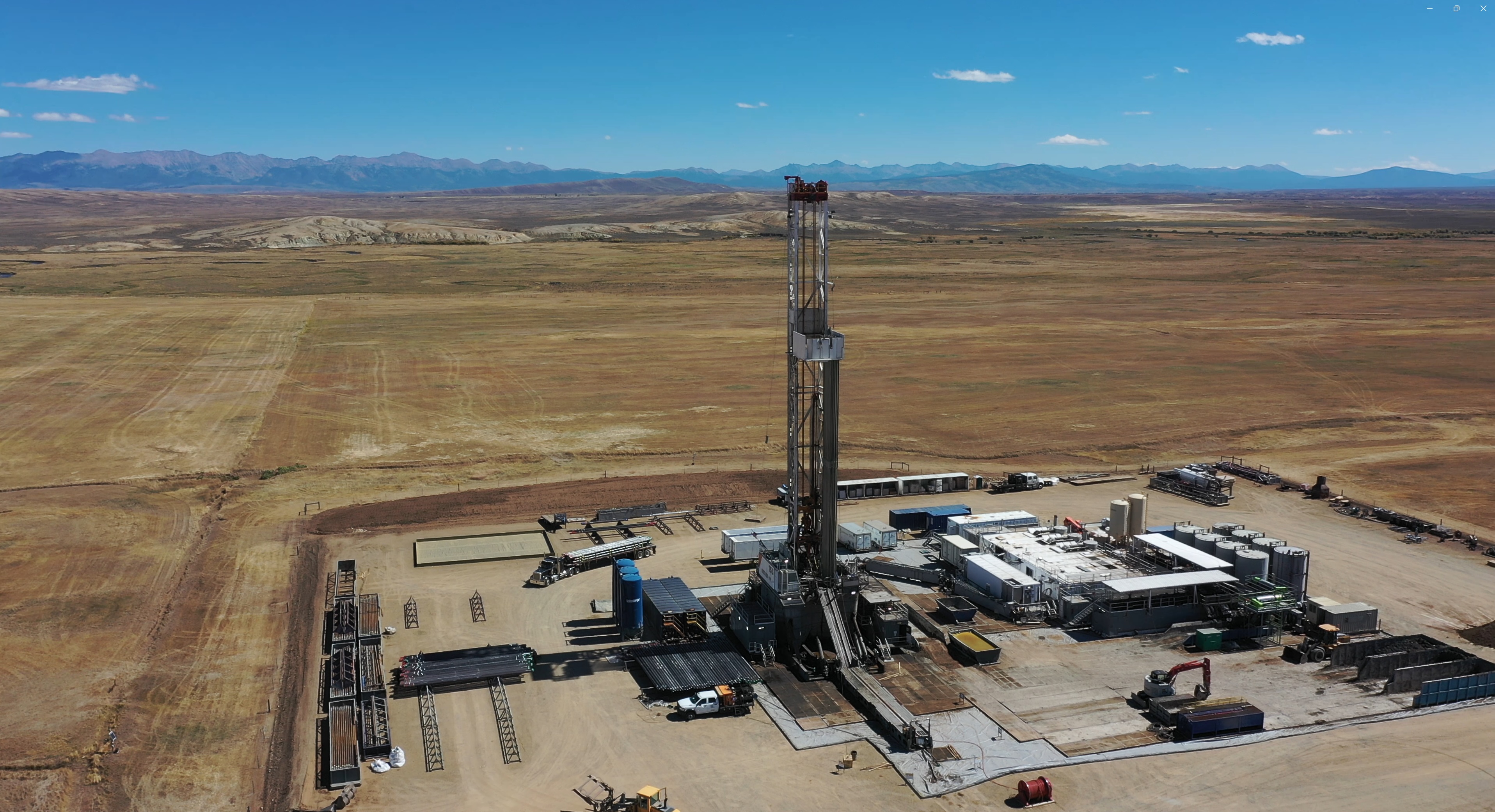
Intangible Drilling Costs (IDCs) refer to expenses necessary to prepare and drill oil or gas wells that have no salvage value once the well is completed. These include payments for labor, fuel, repairs, hauling, supplies, and other services directly related to drilling and preparing a well for production.
Typically, IDCs represent 60% to 80% of the total cost of drilling a well, making their tax treatment highly impactful.
Purpose of the IDC Deduction
Oil and gas exploration is risky and requires large upfront spending. Not all wells produce commercially viable amounts of oil or gas, yet costs must be incurred to explore and prepare the site.
To encourage exploration and domestic production, U.S. tax law allows operators with a working interest to deduct most intangible drilling and development costs rather than capitalizing them.
This deduction:
-
Improves cash flow by reducing taxable income in the year expenses are incurred.
-
Offsets risk by allowing investors to recover costs quickly, even if the well ultimately produces no oil or gas.
-
Applies to geothermal wells as well as oil and gas wells, under regulations authorized by Congress.
By allowing immediate expense, the IDC deduction makes drilling projects more financially feasible and encourages continued investment in domestic energy resources.
How the IDC Tax Deduction Works
Under IRS §263(c) and Treasury Regulation §612–4(a), operators who hold a working or operating interest—meaning they own or lease the right to drill and produce oil or gas—can choose how to treat intangible drilling costs:
-
Expense the costs immediately. Meaning, you’re deducting the full amount in the same year they are incurred. This can significantly reduce taxable income in the short term.
-
Capitalize and recover the costs through amortization, depletion, or depreciation, depending on whether the costs relate to intangible work or tangible property. When through amortization, the investor can spread the deduction even over 60 months starting when the well begins production. This way, you’re spreading the deductions over multiple years as part of the well’s long-term development costs.
Who Qualifies for IDC Tax Deductions?
-
You must hold a working or operating interest in the well (share both costs and profits).
-
Royalty-only interests (income without cost-sharing) generally do not qualify.
-
The well must be located in the United States or U.S. offshore waters.
-
Investors must meet material participation rules to avoid passive loss limitations (IRC § 469).
Other Related Oil and Gas Investment Tax Benefits
In addition to Intangible Drilling Costs (IDCs), investors may be eligible for oil investment tax breaks.
Tangible Drilling Costs (TDCs)
Tangible Drilling Costs are expenses for physical equipment and infrastructure used in drilling such as casings, wellheads, pumps, and separators, storage tanks, pipelines, and other fixed structures.
Unlike IDCs, TDCs are capitalized and recovered through depreciation using the Modified Accelerated Cost Recovery System, typically over 7 years.
Depletion Allowance
Once a well begins producing, investors can claim a depletion deduction to account for the gradual reduction of the resource. There are two types: 1) Cost depletion which is based on the investor’s share of the total investment in the well. 2) Allows a fixed percentage (commonly 15% for independent producers) of gross income from the well to be deducted, subject to taxable income limits.
Operating Expenses
Routine costs incurred during production are generally deductible in the year they occur. Examples include field labor and site management, equipment maintenance and repairs, and utilities and other day-to-day operational costs.
Operating expenses differ from IDCs because they relate to ongoing production rather than initial drilling.
Together, IDCs and other deductions can significantly reduce taxable income for well operators. They improve cash flow and make high-cost drilling projects financially feasible.
Risks, Limitations & What Could Go Wrong
While IDC deductions are attractive, they’re not without risk or limitations. Here are some investors should understand before committing capital.
-
Tax Law Changes: Congress can modify or repel energy-related tax incentives, including IDC provisions. Investors should monitor legislative developments and IRS guidance.
-
Passive Activity Loss Rules: Under IRC §469, losses from activities in which the investor does not materially participate may be limited. This can restrict the ability to offset other income with IDC deductions.
-
Alternative Minimum Tax (AMT): IDCs may increase alternative minimum tax income under IRC §57(a)(2)(E). Investors should evaluate AMT exposure before claiming deductions.
-
State Tax Differences: Some U.S. states may not fully conform to federal IDC rules or may limit deductions, reducing the overall benefit.
-
Operational Risk: Wells may underperform, go dry, or exceed budget. Even if IDCs are deductible, poor project management can reduce overall returns.
-
Recapture Risk: Selling your working interest or failing to meet IRS qualifications could trigger a reassessment of previously claimed deductions.
-
Recordkeeping and Documentation: Improper or incomplete records can lead to IRS disallowance of IDC deductions or audit penalties. Detailed tracking of costs is essential.
Practical Tips for Maximizing IDC-Related Tax Benefits
To ensure you fully benefit from IDC deductions and related oil and gas tax incentives:
-
Confirm Working Interest: Only investors with a working or operating interest in the well qualify for IDC deductions.
-
Maintain Detailed Records: Separate intangible costs from tangible costs, and keep invoices, payroll records, and receipts organized for potential audits.
-
Elect IDC Deduction Properly: Claim IDCs on your original or amended return for the first taxable year costs are incurred. If no election is made, costs are recovered via depletion or depreciation.
-
Time Your Investment Strategically: Consider claiming IDCs in years with higher income to maximize tax savings.
-
Choose the Right Deduction Method: Evaluate whether immediate expensing or amortization over 5 years best fits your cash flow, income, and tax planning strategy.
-
Monitor AMT and Passive Loss Rules: Work with a tax professional to ensure deductions do not trigger unintended AMT liability or are limited by passive loss restrictions.
-
Consult a Qualified Tax Advisor: Engage a CPA or tax attorney experienced in oil, gas, and geothermal investments to navigate elections, reporting, and compliance.
Proper planning, thorough documentation, and professional guidance can significantly increase the value of IDCs and other related tax benefits while minimizing audit or compliance risk.

Conclusion
Intangible Drilling Costs explained are one of the strongest oil and gas investment tax benefits available. They allow large upfront deductions, improve cash flow, and make energy projects more attainable for qualified investors.
Still, they’re not a free pass. You’ll need to meet IRS qualifications, understand how IDCs fit within your total tax picture, and stay informed about changing regulations.
If you’re serious about oil and gas investing, IDCs are a tool worth mastering—best used with careful planning, realistic expectations, and professional guidance.
Frequently Asked Questions
Who is eligible to deduct Intangible Drilling Costs?
Investors with a working interest in a U.S. oil or gas well are eligible. Royalty-only holders generally aren’t. The well must also meet IRS operational standards.
Can I deduct IDCs if the well turns out dry?
Yes. As long as the costs were legitimate and the well was properly drilled, you can claim IDC deductions even for non-producing wells.
Is it always better to expense IDCs immediately?
Not necessarily. Immediate deductions are great for high-income years, while amortization may suit investors expecting higher income later.
How do IDCs interact with other tax benefits like depletion or operating expenses?
They complement each other. IDCs reduce startup costs, while depletion and operating deductions apply after production begins.
Could IDCs be eliminated by future tax law changes?
It’s possible. Energy-related tax incentives can shift with new legislation, so it’s wise to stay updated and seek expert advice before filing.