
Introduction
An investor in oil and gas is, in fact, anybody who channels their capital into the energy sector through buying shares of oil companies, getting royalties, supporting drilling projects, or investing through specialized funds. That is why the oil and gas industry is regarded as attractive as it has physical assets, strong income, and in many cases, even tax breaks that are rare.
Nonetheless, first-time investors usually fail to recognize how tricky and complex the industry is. Global politics influence prices, geological risk is involved in every project, while private transactions might tie up capital for years. This investors guide to invest in oil and gas explains what every new oil and gas investor needs to be aware of before making a commitment. It will detail the main segments of the industry, investing in oil and gas, taxes and cash flows, major risks, how to spot trustworthy operators, and the trends that affect the industry.
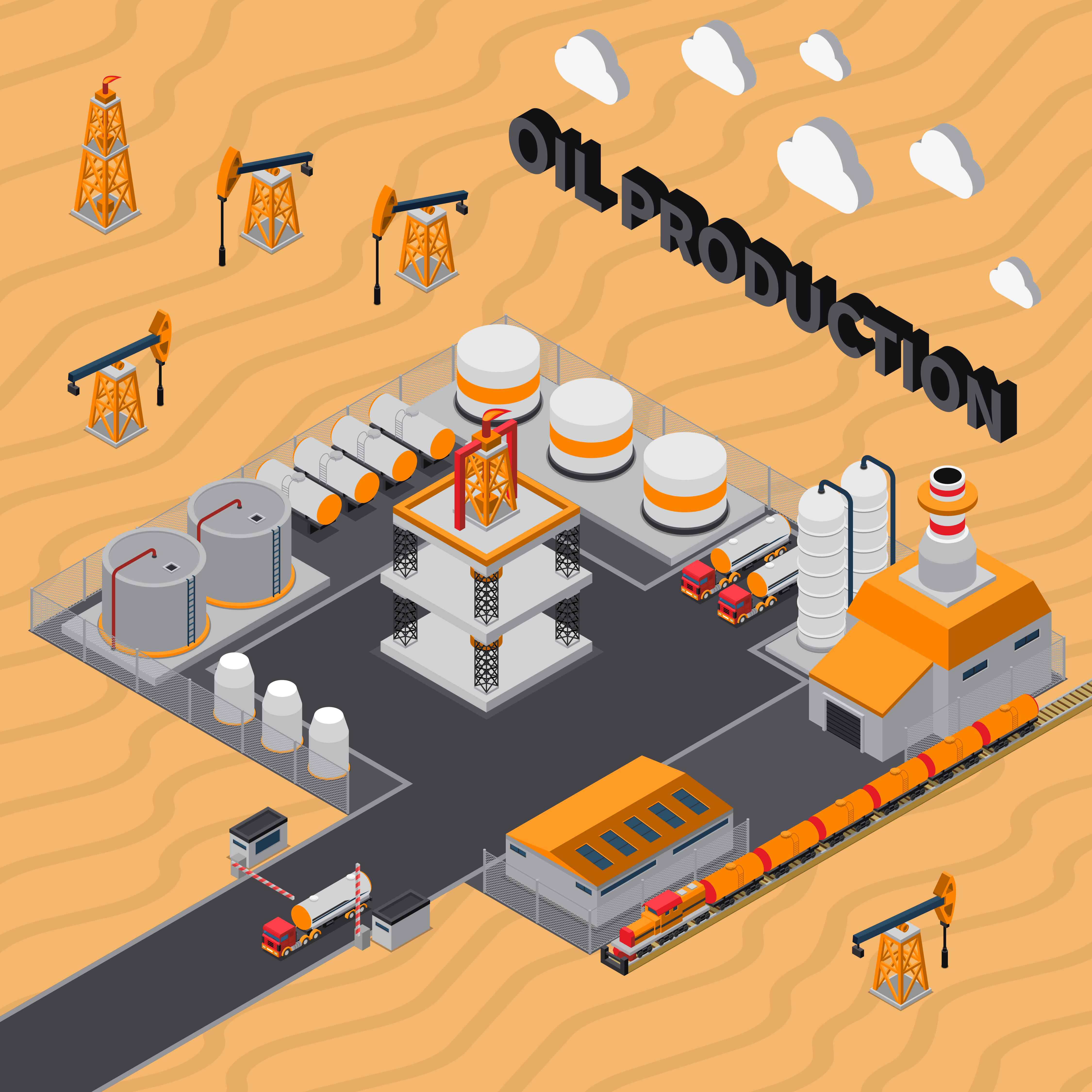
Industry Segments Every Oil and Gas Investor Should Understand
Core Industry Segments
|
Sector |
What it covers |
Risk & Return Profile |
|
Upstream (Exploration & Production) |
Exploration, drilling, and extraction of crude oil and natural gas. |
Highest risk, highest reward. Profits soar when prices rise, but dry wells or price drops can lead to quick losses. |
|
Midstream (Transportation & Storage) |
Pipelines, shipping, and storage infrastructure. |
Moderate risk. Cash flow is steadier since revenue comes from transport fees, not commodity prices. Attractive for income-focused investors. |
|
Downstream (Refining & Marketing) |
Refining crude oil into fuels and chemicals, plus product distribution. |
Consumer-driven. Profits depend on refining margins, the spread between crude input costs and product prices. |
Investment Participation Types (Operating vs. Royalty)
Non-Operating and Operating Interests: Investors can choose to have either an operating interest (sharing costs and decisions) or a non-operating interest, such as a royalty interest (receiving a portion of production revenue without incurring operating costs). Royalty owners receive passive income, while working-interest partners assume higher risk and responsibility along with rewards.
Alternative Investment Structures (ETFs & DPPs)
To those investors for whom direct participation seems too complex, it is possible to gain exposure to the sector through oil and gas mutual funds, exchange-traded funds, or professionally managed Direct Participation Programs (DPPs), where the capital of investors is pooled together for exploration or production projects.

Types of Investment Vehicles for Oil and Gas Investors
-
Public Stocks and Equity:
The simplest way is to buy shares of the best oil and gas companies, whether E&P firms, refiners, or pipeline operators. Liquidity is high, and investors can diversify across global names.
-
Private or Direct Well Investments:
Accredited investors have the option to invest directly in drilling programs or joint ventures. These offer potential for high cash flow and tax deductions but come with high operational risks and limited liquidity.
-
Mineral and Royalty Rights:
Investors may purchase ownership of the land or a fraction of production rights. This provides passive income related to production, but with lower operational responsibilities.
-
Energy Funds and ETFs:
Managed funds and ETFs offer diversified exposure to multiple companies or projects. They’re suitable for smaller investors who are looking for indirect exposure with professional oversight.
-
Corporate Bonds and Energy Notes:
Fixed-income instruments issued by energy companies can provide regular interest payments, though they still carry exposure to the company’s financial health and market conditions.
Tax & Financial Incentives & Mechanics
According to DW Energy Group, one of the few industries in the US with significant tax advantages is oil and gas investing.
-
Intangible Drilling Costs (IDCs): Drilling-related costs, such as labour, supplies, etc., can frequently be written off in the year in which they are incurred, sometimes up to 80%.
-
Tangible Drilling Costs: Equipment and hardware may lose value over time.
-
Depletion Allowance: In order to acknowledge the depletion of the resource, royalty owners may subtract a portion of their production income.
Cash flow (royalty or production revenue) and capital gains (appreciation of asset value) are often the sources of returns. However, investors need to comprehend how payment structures and costs impact earnings. Commodity pricing, maintenance capital, and drilling and operating costs all affect what investors actually earn.
Risks & Challenges to Be Aware Of
-
Price Volatility: Oil and gas prices fluctuate with global supply, demand, and geopolitical events. A sudden drop in prices can result in a total loss of profits in a matter of hours.
-
Regulatory and Environmental Risk: New regulations, taxes, or environmental rules can increase costs or restrict production.
-
Operational Risk: Projects can fail due to dry wells, mechanical issues, or cost overruns.
-
Liquidity Risk: Private investments or direct investment may be inefficient and sometimes may tie up your equity for long periods.
-
Operator Misalignment: You may not have clarity on costs or production reporting on certain deals. Make sure the operator is aligned with your motivation and has a contract in place at the outset.
-
Market Cycles: Energy markets all go in cycles. The cash flow can potentially decline rapidly during a downturn even for solid operators.

Due Diligence: How to Examine Operators & Deals
Before signing on, perform careful due diligence:
-
Track Record: In the first place, the operator’s production history and performance have to be evaluated.
-
Financial Health: Consider their financial statements, how much money they owe, and their reserves of cash.
-
Transparency: Confirm that the document properly describes the sharing of costs, ownership proportions, and payout terms.
-
Risk Disclosure: Credible operators present possible scenarios of both the good and bad sides.
-
Background Checks: Confirm the legal history, environmental compliance, and safety practices.
If any detail seems ambiguous or too optimistic, take that into consideration as a warning sign.
Role of Technology, ESG, and Market Trends
Technological progress has a continuous impact on the sector. The advanced drilling techniques, better recovery methods, and real-time remote monitoring are the ways that the sector is becoming more efficient and transparent. However, the ESG (environmental, social, governance) framework is becoming the one that determines the investor’s choice of who gets the funding. Firms adopting cleaner, safer, and more efficient operations tend to attract more capital.
In the meantime, the energy transition is still in progress, and natural gas along with low-carbon solutions is still very much in demand, even though oil consumption is growing at a slower rate. A smart investor who follows expert tips for oil and gas investing will monitor these shifts closely to identify where growth and profitability meet.
Conclusion
For any first-time investor in oil and gas, the secret of success is in the balance of optimism and diligence. Although the industry offers a perfect solution for a steady cash flow, tax benefits, and portfolio diversification, one should also acknowledge that it is a sector with substantial risks. An investor will be able to make a few good and smart choices if he understands the segments,, the different ways to invest, and the manner of the deal he chooses to evaluate.
If you are planning to make an initial investment, then continue with the research, consider different options, and seek a professional advice to make sure that your capital is invested in a proper way.
FAQs
What’s better for first-time investors: buying oil/gas stocks or participating directly in wells?
Stocks are easier to buy and sell and require less capital. Direct well participation can offer higher returns and tax benefits but carries more risk and complexity.
Do you need to be an accredited investor to get into most direct oil & gas deals?
Yes. Most private or direct participation programs are limited to accredited investors under SEC rules.
How much capital do I need to start investing in oil & gas meaningfully?
Public stocks or funds may require only a few hundred dollars. Private deals often start at $25,000 or more, depending on the operator.
How long should I expect to wait for returns?
Dividends or royalties might begin within months after production starts, but full payout or ROI can take years.
What are red flags I should watch out for when evaluating oil & gas investment offers?
Avoid any offer that lacks detailed production data, offers unrealistic returns, or hides cost breakdowns. A reputable operator will welcome scrutiny.